Song Meaning
Stephen Lynch's "КлоуКома - Балахонов (Balahonov)" – even filtered through translation – reads like a comedic explosion of desire, less a coherent love song and more a manic inventory of consumable pleasures. The initial verses present a rapid-fire collage of refreshing and comforting images: water, lemonade, tea, shade. These metaphors establish an immediate sense of longing, a thirst (literal and figurative) that the subject of the song seems to quench. But then the list devolves into increasingly absurd and arguably less romantic comparisons: oatmeal cookies, melba toast crumbs, and, most pointedly, the cream inside an Oreo. This descent hints at a more base, even objectifying, view of the beloved. It’s not about profound connection, but the immediate gratification of simple, sugary delights. The line, 'that's the part...that I like...the most,' lays bare the superficiality of the infatuation; it's reduced to a singular, easily digestible component.
The descent continues with 'bear nuts' and a 'cold bottle of Schlitz,' further stripping away any pretense of sophistication. The introduction of Pepto Bismol is perhaps the most telling. It suggests that this 'love' is ultimately toxic, leading to digestive upset and requiring a medicinal antidote. The shouted interjections – 'HOW YA DOING!!! ALL RIGHT!!!!!' – puncture the song with bursts of manic energy, disrupting any potential for genuine sentiment. They act as a comedic mask, deflecting from the underlying emptiness of the infatuation. This isn't a celebration of love; it's a parody of lust, a self-aware acknowledgement of shallow attraction.
In essence, "КлоуКома - Балахонов (Balahonov)" operates as a deconstruction of the traditional love song. Lynch employs hyperbole and increasingly ridiculous comparisons to expose the potentially vapid nature of desire. It's a commentary on the reduction of individuals to a series of desirable traits, a critique of the consumerist mindset applied to relationships. The song's humor serves as both entertainment and a cautionary tale, reminding us to look beyond the 'cream in the Oreo' and seek deeper, more meaningful connections.
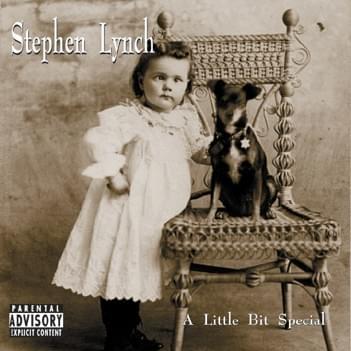
 View Artist