Song Meaning
The lyrics paint a picture of someone finally breaking free from a toxic relationship, acknowledging the pain it caused but asserting a newfound strength. The repeated "Tú" (You) acts as an anchor, a constant presence that the narrator is actively moving away from. There's a clear sense of a turning point, where the narrator has to "decide" between continuing the cycle or ending it, ultimately choosing self-preservation.
The central tension lies in the narrator's internal struggle and eventual liberation. They acknowledge the lingering presence of the other person in their heart, "Siempre tú estarás," yet simultaneously recognize the relationship as "Falsa esperanza" (false hope) and "falso amor" (false love). This internal conflict fuels the decision to leave, even if the other person won't understand the reasoning behind it.
The craft here is in the stark contrast between past suffering and present recovery. Phrases like "Aquel amor que me llegó a matar" (That love that almost killed me) are juxtaposed with "Hoy mi futuro vuelve a brillar" (Today my future shines again). The lyrics also highlight the other person's perceived flaws, "Que siempre jugaste a ser mejor" (Who always played at being better) and "Que dudar fue tu gran error" (That doubting was your big mistake), framing the narrator's decision as a righteous act of self-defense.
This song hits hard because it captures the difficult but necessary process of reclaiming oneself after being hurt. The narrator's declaration, "Si me acuerdo de ti, no vuelvas a mí" (If I remember you, don't come back to me), is a powerful statement of finality. It’s about recognizing the damage done and choosing to protect the hard-won peace, understanding that some decisions are made for oneself, not for the approval of others.
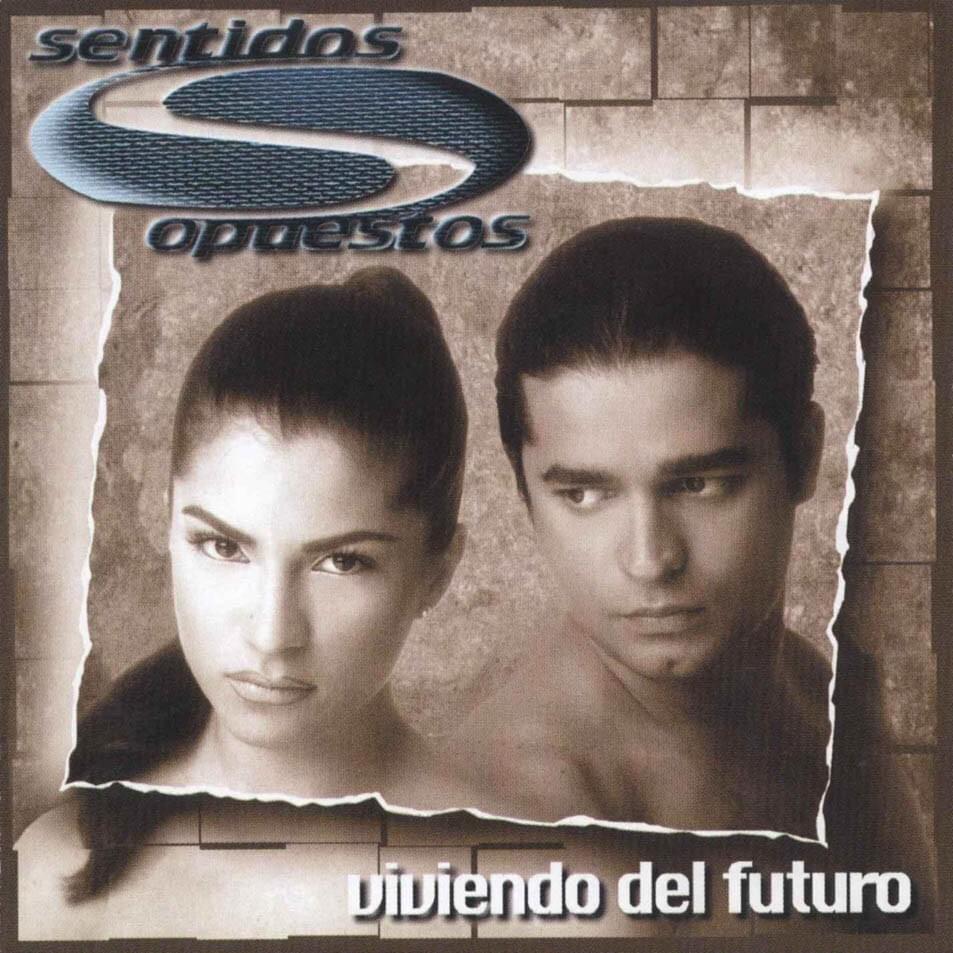
 View Artist