Song Meaning
The lyrics paint a vivid picture of a past love that brought immense happiness. The narrator recalls a time of deep connection, where they were a constant source of support, drying tears and sharing joy. This mutual care created a sense of unity, a perfect world where 'nothing else mattered.' The narrator emphasizes their consistent presence, always there to accompany their loved one when they were alone, highlighting the reciprocal nature of their bond during that time.
However, a stark contrast emerges as time passes. The narrator remains unchanged, but the loved one gradually forgets them, leaving the narrator alone. This abandonment triggers a profound sense of loss and longing, as the narrator clings to the hope of hearing 'I love you' again. The feeling of being forgotten is palpable, creating a painful juxtaposition with the cherished memories of when they were loved.
The narrative takes an unexpected turn when the loved one reappears, finding the narrator in their state of oblivion. This reunion brings back the familiar comfort and support, with the loved one holding them 'like before' and smiling again. The repetition of 'pues me amaba, si me amaba' suggests a tentative return to that cherished past, a moment of rediscovered affection that echoes the initial happiness.
Ultimately, the lyrics capture the bittersweet ache of remembering a profound love and the lingering hope for its return. The narrator's happiness was intrinsically tied to being loved, and the memory of that feeling, coupled with the unexpected reunion, offers a fragile sense of solace. The recurring phrase 'Cuando alguien me amaba me sentía tan feliz' serves as a powerful anchor to this past joy, a feeling the narrator desperately seeks to recapture.
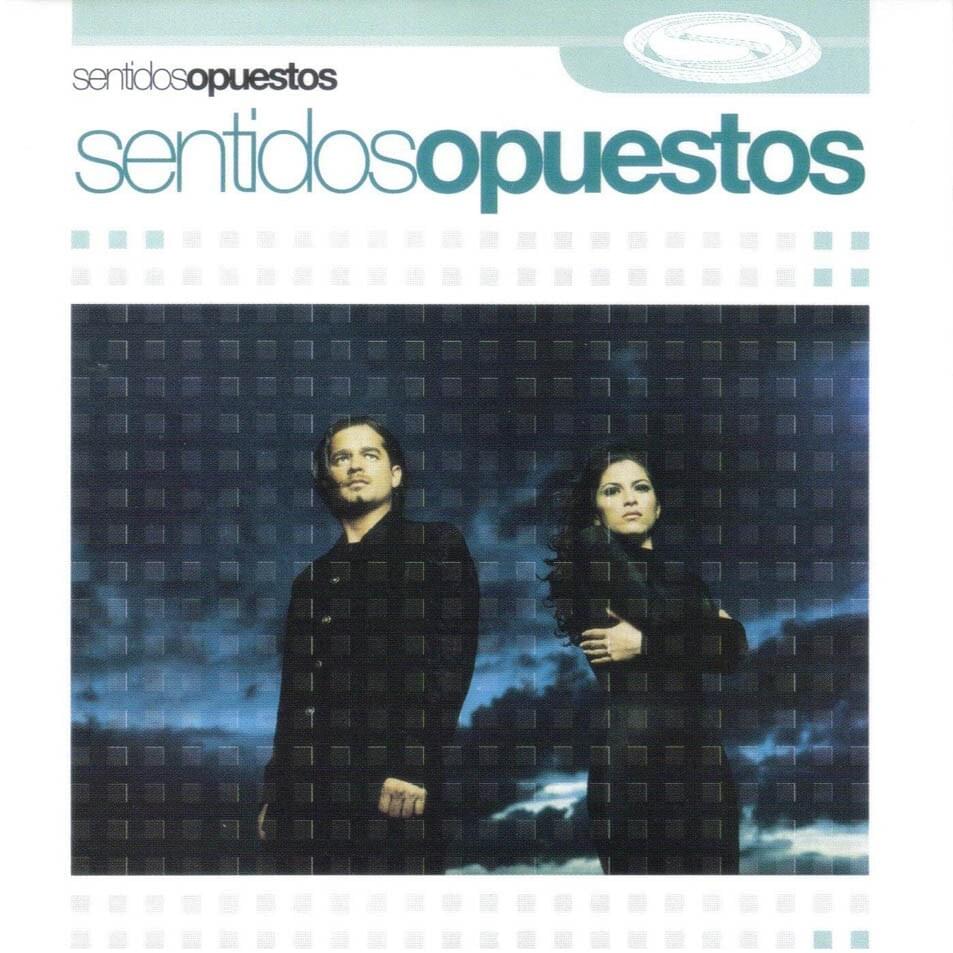
 View Artist