Song Meaning
This song paints a vivid picture of profound dependence and the devastating void left by a departed loved one. The narrator opens by declaring the absent person was their entire world – "mi libertad," "mi todo." This immediate declaration sets a tone of utter devotion, bordering on an inability to exist independently. The shift to the present, marked by "ahora que ya no estás," introduces a stark contrast: the arrival of "la soledad" and the collapse of the narrator's "universo." This isn't just sadness; it's an existential crisis.
The central tension lies in the narrator's realization that their entire sense of self and purpose was intrinsically tied to this other person. The repeated phrase "Yo por ti, viví" (I lived for you) becomes the anthem of this dependency. It suggests a life lived entirely in service to or in reflection of the other person's vision. The lyrics state, "Imaginaste un mundo para mí," highlighting how the narrator's reality was seemingly constructed by the departed, leaving them adrift without that external architect.
The most striking aspect is the subtle yet powerful shift in understanding the "sueño azul" (blue dream). Initially, it represented a magical world imagined by the departed, a world where "la magia existe." However, the narrator now "bien comprendo" (well understand) that this dream is "de nada me sirve si no estás aquí." The magic, the world, the very act of living – all of it loses meaning without the person who inspired and perhaps created it. The lyrics suggest a life that was, in essence, a borrowed existence, now rendered meaningless.
This emotional devastation is amplified by the consistent portrayal of the departed as a source of empowerment – teaching the narrator to "volar" (fly) and "despierta soñar" (wake up dreaming). The loss, therefore, isn't just the absence of a person, but the loss of the narrator's own capacity for flight and dreams. The writing effectively uses this extreme dependence to underscore the depth of the loss, making the narrator's current state of "soledad" feel like a complete annihilation of self, a powerful testament to how intertwined their existence had become.
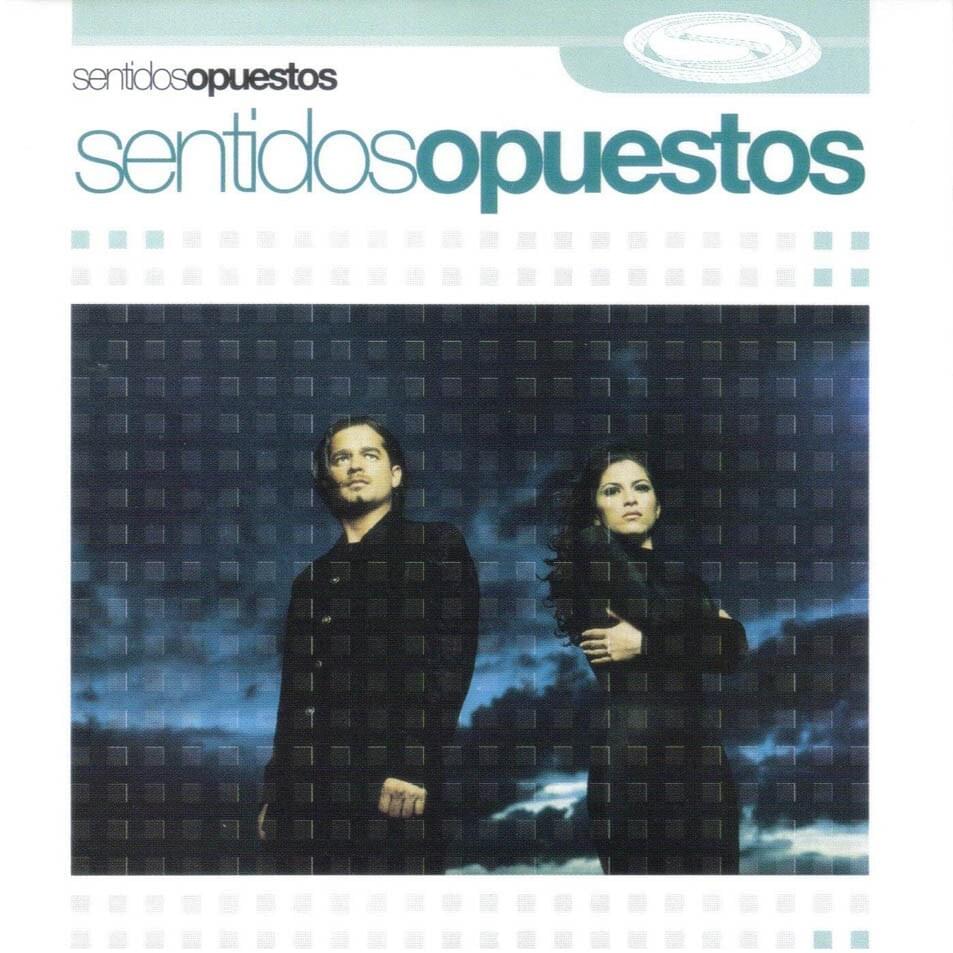
 View Artist