Song Meaning
This is a stark declaration of a final breakup. The narrator states plainly, "Tengo Poco que decir" (I have little to say) and "Esto es una despedida" (This is a farewell), immediately setting a tone of finality and emotional exhaustion. The core sentiment is a weary refusal to continue enduring pain, declaring "Me canse de sentirme herida" (I got tired of feeling hurt). This isn't a plea for reconciliation, but a definitive closing of a chapter.
The central tension arises from the narrator's past suffering versus their present resolve. They assert "Porque yo he sufrido antes" (Because I have suffered before), framing their departure as a necessary act of self-preservation. The desire to leave is explicitly linked to a need to "desprecierte" (despise you) and then "olvidarte" (forget you), indicating a desire to erase the person and the pain associated with them. This isn't about lingering affection; it's about reclaiming agency after being wounded.
The repeated, emphatic "Nada" (Nothing) serves as the song's powerful refrain and structural anchor. It's a blunt negation of any future possibility: "Ya no quiero" (I don't want anymore), "Yano espero" (I don't expect anymore), "Nada de tu amor" (Nothing of your love). The phrase "No comprendo nada" (I understand nothing) further underscores a sense of disillusionment, suggesting the relationship's dynamics became incomprehensible or that the narrator has ceased trying to make sense of it. The finality is hammered home with "Se acabó" (It's over) and "Ya no queda nada" (Nothing is left).
The lyrics' effectiveness lies in their unvarnished directness and the stark emotional landscape they paint. By repeatedly stating "Nada," the narrator strips away any pretense or hope, creating a palpable sense of closure. The contrast between past hurt and present determination, coupled with the blunt language, makes the decision to leave feel absolute and earned, resonating with anyone who has reached their limit in a relationship.
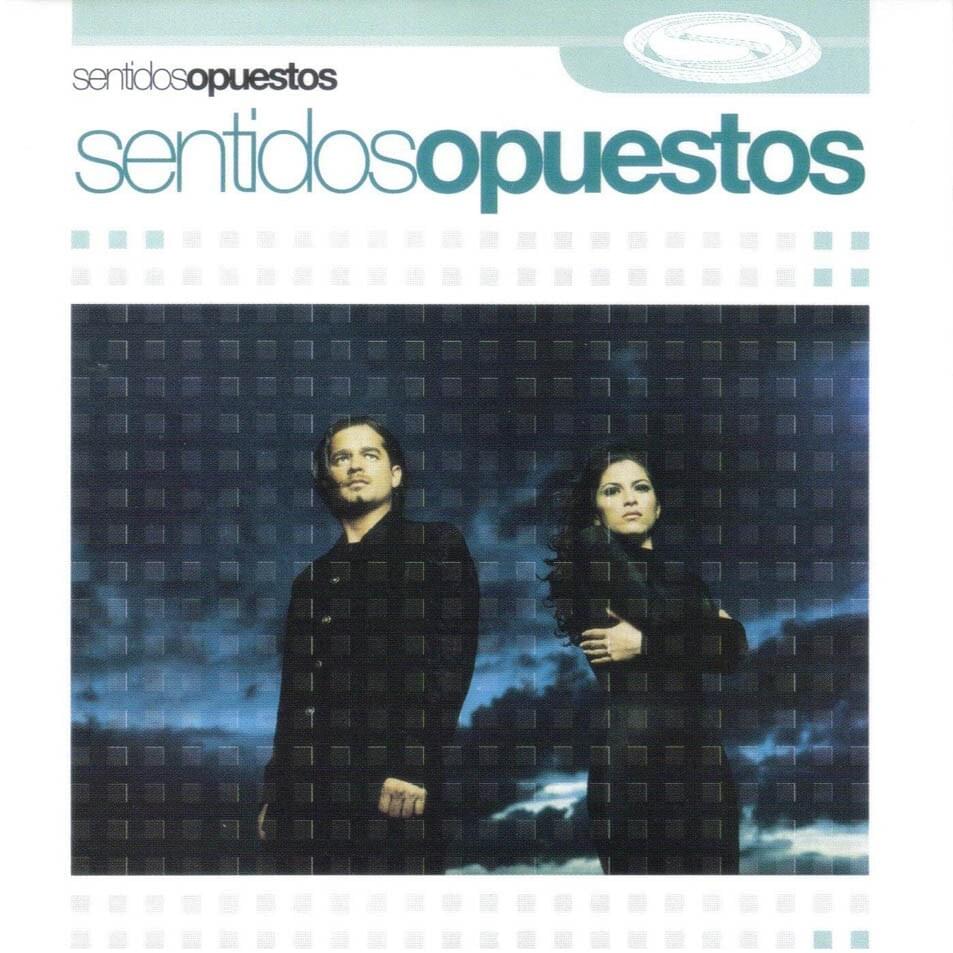
 View Artist