Song Meaning
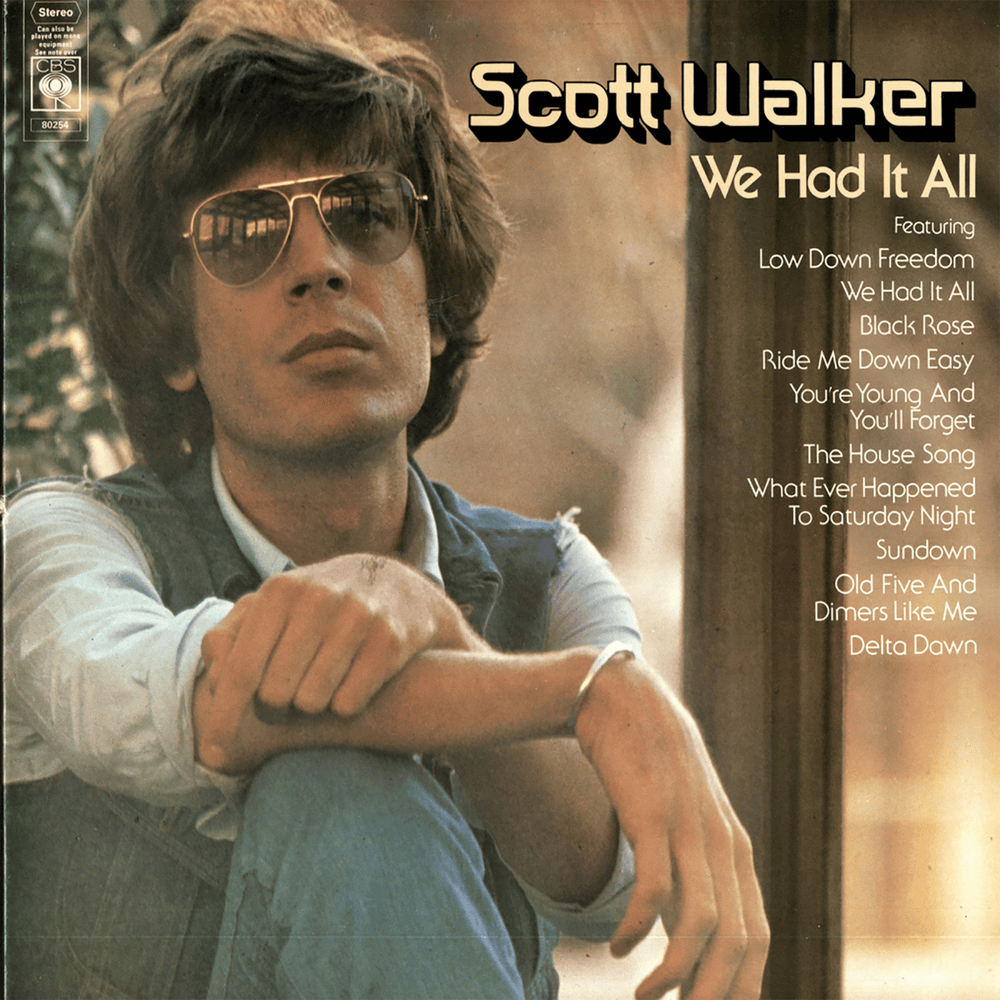
Scott Walker's "We Had It All" isn't a boast, but an elegy for a love that time and circumstance have eroded, leaving behind only the ache of what once was. The song's power lies in its quiet resignation, a wistful acceptance that the peak has passed, yet the memory of it remains vibrant. The opening lines, evoking the Georgia pines and the ever-present wind, immediately establish a sense of place and nostalgia, a return to the origin of the relationship. The phrase "we had it all" isn't delivered with triumph, but with a melancholic understanding that "all" is now lost, accessible only through the corridors of memory. It speaks to the human tendency to idealize the past, to create a golden age that may or may not have existed in reality. This is the psychology of longing, the selective recall that smooths over the rough edges of experience.
Walker's lyrics hint at a profound connection, a bond so deep that even the loss of it cannot diminish its significance. The lines about touching hands and reaching for a feeling suggest a non-verbal understanding, an intimacy that transcends mere words. The recurring declaration that "You're the best thing in my life that I recall" is not just a romantic sentiment, but a testament to the enduring power of love to shape one's identity. The "smile" that didn't stay encapsulates the ephemeral nature of joy and the bittersweet recognition that even fleeting moments can hold immense value. It's the understanding that the transient nature of happiness does not negate its profound impact.
Ultimately, "We Had It All" is a poignant meditation on the passage of time and the enduring power of love in the face of loss. The repetition of "Lord knows, we had it all" is a mantra of acceptance, a recognition that while the present may be lacking, the past remains a source of solace and strength. Walker's performance, imbued with a world-weary tenderness, elevates the song beyond a simple love ballad into a profound exploration of memory, longing, and the enduring human capacity for love, even in its absence. The song meaning resides not in the literal narrative, but in the emotional landscape it creates, a landscape painted with shades of nostalgia, regret, and enduring affection.
 View Artist