Song Meaning
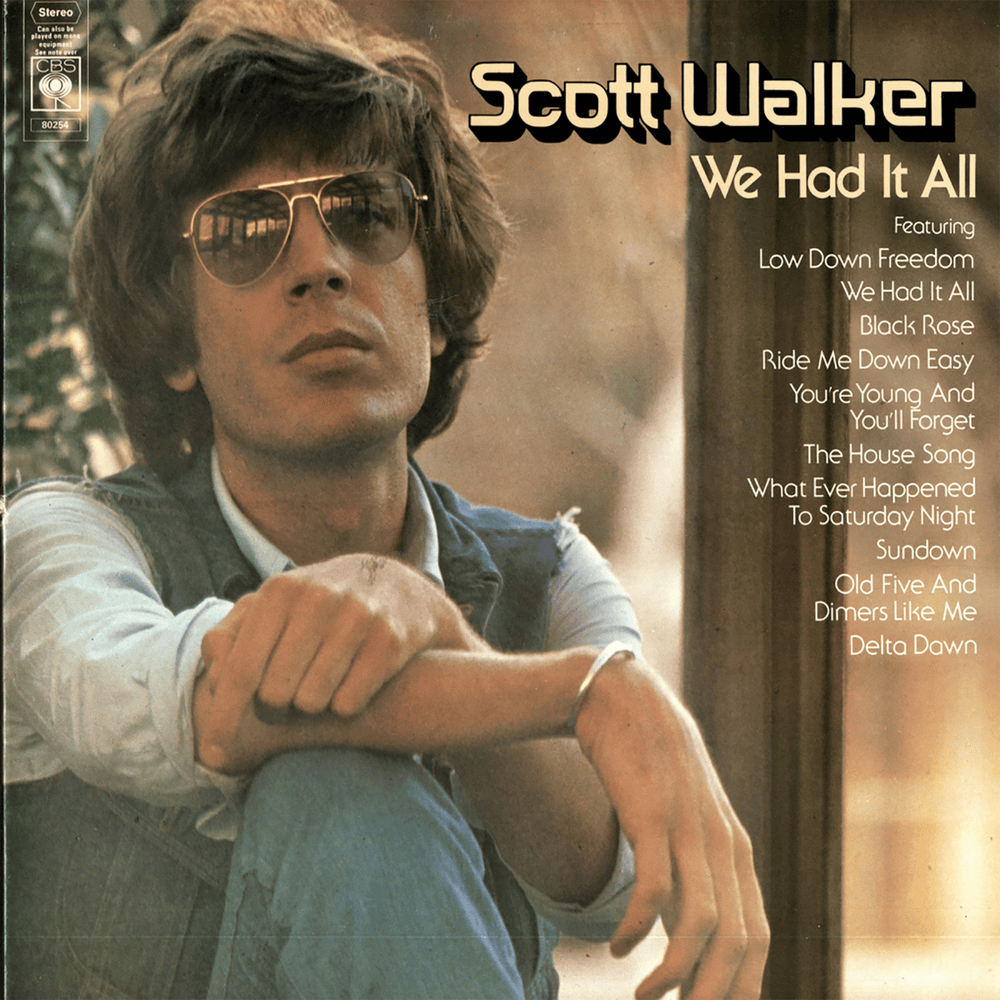
Scott Walker's "Low Down Freedom" isn't a celebration of liberation; it's a stark autopsy of its hollowness. The song presents a protagonist caught in the undertow of a self-imposed exile, trading genuine connection for the illusion of autonomy. He's the classic rambler, the archetype of the man who equates freedom with perpetual motion, leaving a trail of discarded affections in his wake. The opening verse paints a tender scene—a young woman sleeping peacefully beside him—juxtaposed with the cold realization that he's already planning his escape. This sets the stage for the central conflict: the allure of the open road versus the emotional cost of detachment. The 'big wheels' and 'rivers flowing to sea' are familiar tropes of freedom, yet here they feel less like aspirations and more like compulsions.
The core of "Low Down Freedom's" song meaning lies in its understanding of freedom's paradoxical nature. The lyrics expose how the pursuit of absolute freedom can lead to a different kind of imprisonment—one defined by loneliness and emotional bankruptcy. The repeated line, 'Low down freedom, you done cost me everything I'd ever lose,' is a brutal assessment of this trade-off. It's not just material possessions he's lost; it's the capacity for meaningful relationships, for staying put, for investing in something beyond the fleeting moment. The stark admission that freedom is 'as empty as my pockets' underscores the devastating realization that what he thought was liberation is, in reality, a form of self-destruction.
Walker masterfully uses imagery to amplify this sense of desolation. The 'open highway' and 'lonesome windblow' evoke a vastness that is both alluring and terrifying. The plea to 'tell me something I don't know' suggests a yearning for some deeper truth, some escape from the cycle of perpetual departure. Even the warmth of 'woman's arms' becomes a temporary refuge, a fleeting comfort that ultimately reinforces his isolation. The final image of 'colder than the water that keeps runnin' down my shoes' is a chilling reminder of the emotional price he continues to pay for his 'low down freedom.' It's a freedom that leaves him exposed, vulnerable, and perpetually on the move, not towards something better, but away from himself.
 View Artist