Song Meaning
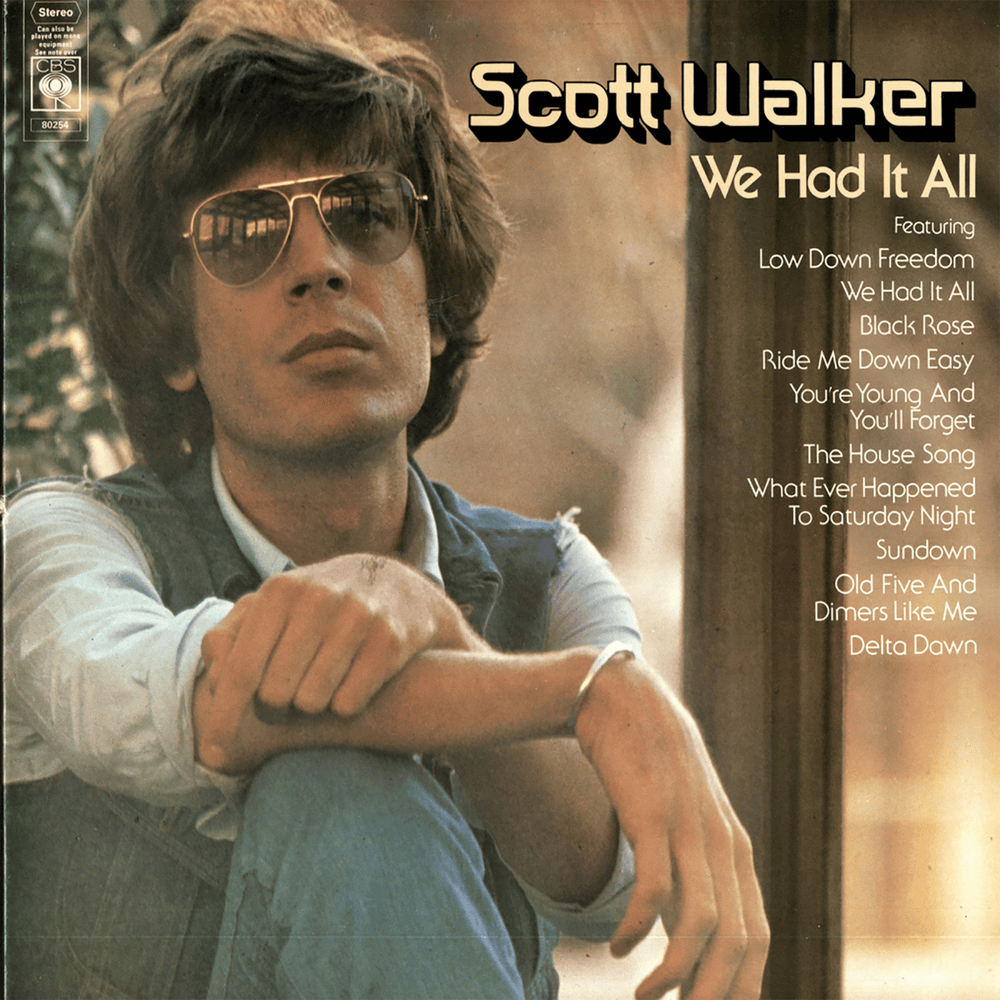
{"song_id": 14847619, "meaning": "Scott Walker's \"Black Rose\" isn't a tender ballad; it's a plunge into the swampy depths of desire and self-destruction. The song, steeped in Southern Gothic imagery, uses the titular \"black rose\" as a potent symbol for a dangerously alluring woman. This isn't your typical romantic flower; it represents a temptation that corrupts and consumes. The setting in Virginia, amongst \"tall-grown sugar cane,\" hints at a history of exploitation and moral decay, a fertile ground for the protagonist's downfall. The man, initially described as \"simple-headed,\" is drawn into a destructive cycle, blaming the devil for his initial transgression, but admitting his own agency in repeating the act. This internal conflict—the struggle between free will and the seductive pull of the \"black rose\"—forms the core of the song's meaning.
The lyrics paint the woman as a force of nature, almost mythic in her power. \"Built for speed with the tool you need / To make a new fool every day\" suggests a predatory sexuality, a deliberate manipulation that leaves men ruined in her wake. She's not just desirable; she's weaponized desire. The phrase \"a rose of a different name\" implies she's a variation on a classic archetype – the femme fatale – but twisted, darker, more dangerous. The protagonist's repeated plea, \"Lord, put a handle o this simple-headed man / Help me leave this black rose alone,\" reveals a desperate yearning for control, a recognition of his own weakness in the face of her allure. He's aware of the consequences, the \"dark-haired side o' shame,\" yet he's unable to resist the pull.
The song's brilliance lies in its ambiguity. Is the woman truly a demonic force, or is she simply a catalyst for the man's own self-destructive tendencies? Scott Walker doesn't offer easy answers. The \"Black Rose\" becomes a mirror reflecting the protagonist's inner demons: his lust, his weakness, and his inability to escape the cycle of sin and regret. The use of religious imagery, like blaming the devil and asking for the Lord's help, emphasizes the moral weight of his actions and his desperate struggle for redemption, however futile it may seem. The song is a haunting exploration of the dark side of human nature, where desire and destruction intertwine, leaving a lingering sense of unease and the unsettling realization that we are often our own worst enemies."
}
 View Artist