Song Meaning
From a room, the speaker observes a world washed clean by rain, a scene tinged with quiet melancholy. There's an immediate sense of separation, a longing for someone absent, and a palpable anxiety about the relentless march of time. Yet, beneath this surface, a powerful, unseen connection persists, described with intense, almost desperate longing.
The central tension here is the paradox of physical distance versus profound emotional presence. The repeated line, "Nem veled vagyok, s féltem az időt" (I am not with you, and I fear time), underscores a deep-seated anxiety that precious moments are slipping away. This separation is mirrored by the pervasive, unseen rain: "Nem látom mégis érzem az esőt" (I don't see it, yet I feel the rain), suggesting an internal, inescapable emotional state that permeates everything.
The lyrics then pivot to a powerful declaration of unity. The phrase "Én veled vagyok éhes szerető" (I am with you, hungry lover) is striking, conveying an intense, almost insatiable desire. This is immediately followed by "Kezünkben teremtő erő" (In our hands, creative power), elevating the relationship beyond mere romance to something generative and world-shaping. This potent, shared potential stands in stark contrast to the mundane, slightly bleak external world, where people are "fáznak" (cold) and waiting alone for a bus.
The repetition of key lines creates a hypnotic, insistent rhythm, emphasizing the speaker's internal struggle and unwavering conviction. The lyrics effectively build a world where external bleakness amplifies the internal intensity of love and longing. Ultimately, the lines "Nekik még mind egyedül hosszú az út / Nekünk meg együtt legyen ugyanúgy" (For them, the road is long alone / For us, together, let it be the same) cement the idea that their unique, shared path, despite any current separation, is a powerful antidote to universal solitude.
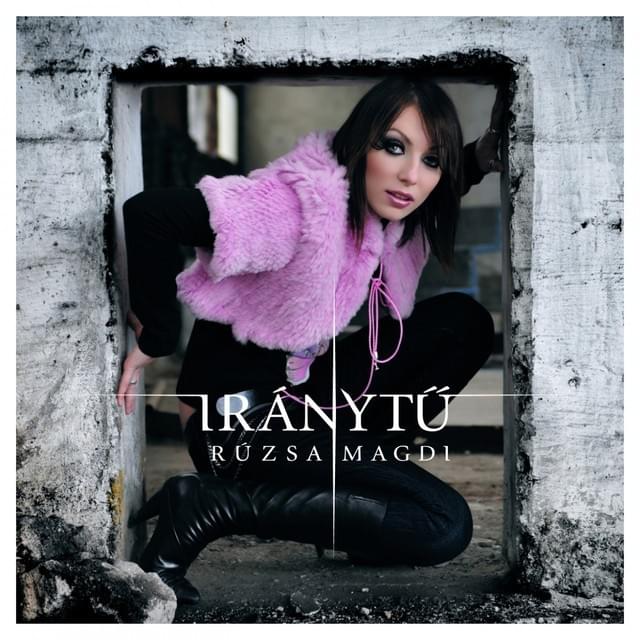
 View Artist