Song Meaning
The lyrics of "Tűz" open with a stark declaration of memory, "Én, emlékszem rád" (I remember you). This immediately sets a reflective tone, quickly contrasted by a past belief that "Az út majd kifut" (the road will run out), only for an unexpected "vonat" (train) to arrive, bringing "annyi más" (so much else) in its wake. This suggests a pivotal, perhaps disruptive, shift from an anticipated end to a complex new reality.
The central emotional tension revolves around the repeated, piercing question directed at "Tűz" (Fire): "mért pusztít el / Mért perzsel fel, mindent, mi szép?" (why does it destroy / Why does it scorch everything beautiful?). This isn't just external destruction; the query deepens, asking why it "űz, száz léten át" (chases, through a hundred lives) if "minden hibád, a lelkedben ég?" (all your faults burn in your soul?). The lyrics here suggest a profound internal struggle, where personal flaws are as consuming as any external blaze.
Artistically, the lyrics offer a bittersweet coping mechanism, urging the listener to "Múló időt / Mint édes likőrt / Töltsd hát, újra itt!" (Passing time / Like sweet liqueur / So fill it again, here!). This metaphor transforms fleeting moments into something precious to be savored and repeated, a ritual of remembrance to sustain existence "Holnapig" (until tomorrow). The later section then shifts dramatically, with the speaker asserting, "Én leszek a kezdet, én leszek a vég" (I will be the beginning, I will be the end), claiming agency over the very cycle of destruction and rebirth.
This powerful shift from questioning to declaration makes the lyrics particularly effective. The speaker, standing at the "Ajtajában én" (door of everything), presents a stark choice: to cling to "az álmok" (the dreams) or be consumed by "Minden üszkös kép" (Every charred image). "Tűz" ultimately becomes less about simple destruction and more about the crucible of existence, where memory, internal struggle, and personal will forge a path forward.
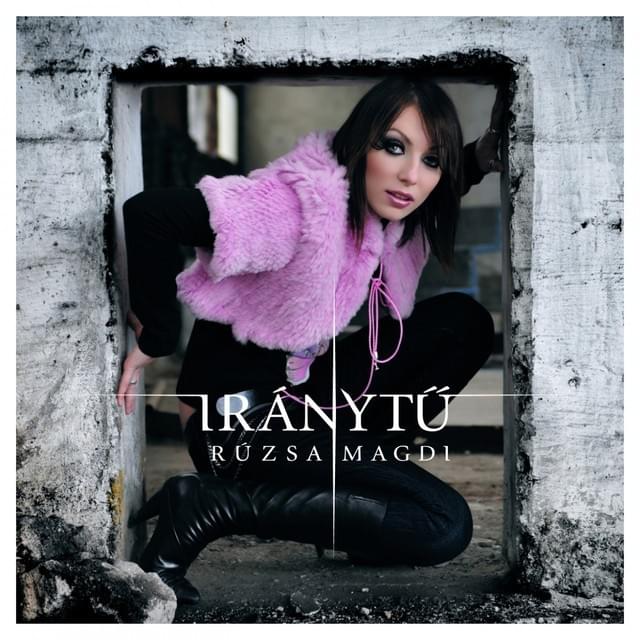
 View Artist