Song Meaning
The lyrics for "Móló" open with a visceral plunge into water, a sudden immersion. From the lake bottom, the narrator observes the world above, then slowly drifts upwards. It's a journey from deep surrender to a gentle re-emergence.
This underwater state, described as "Buborékban élek" (I live in a bubble) where "lights are duller," suggests a temporary detachment or a muffled existence. The slow ascent, "Himbálózom felfelé" (I sway upwards), hints at a natural, unforced return to the surface, perhaps after a period of introspection or emotional processing.
The most striking moment arrives when the narrator's "Fejem a víz felett" (My head above water) coincides with "tears on my face." This isn't a moment of sadness, however; the lyrics immediately clarify, "Nem vagyunk részegek / Csak szabadok" (We are not drunk / Just free). This powerful juxtaposition suggests an emotional release that is pure, uninhibited, and deeply authentic, untainted by artificiality. The recurring image of "kopott" (worn out) elements—the pier, the sky, and "worn out years scattered"—underscores a sense of time's passage and perhaps a gentle melancholy, yet it doesn't diminish the newfound freedom.
The effectiveness lies in this quiet, almost meditative progression from submersion to clarity. The enduring connection, "In your eyes I still see / The same light," even as "we lie on our stomachs just like before," anchors the personal liberation within a shared, lasting bond. The "Foltos felhő" (Spotted cloud) bringing "summer rain" serves as a gentle, recurring natural backdrop, perhaps mirroring the cleansing or refreshing quality of this emotional journey. The lyrics capture a profound sense of release and connection, earned through a quiet, internal process.
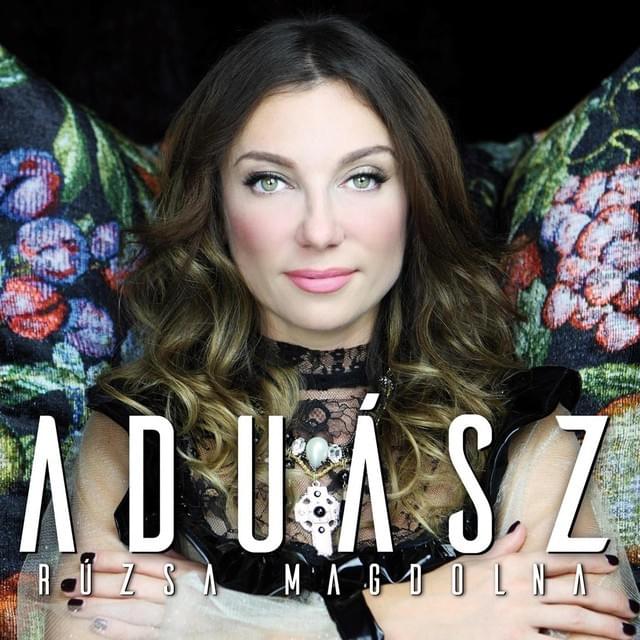
 View Artist