Song Meaning
This song paints a stark picture of imprisonment, focusing on the physical and emotional toll of confinement. The opening lines immediately establish a sense of place, naming "Favignana" and "Lu casteddu di santa Caterina," which the lyrics then curse with "Malidittu cu fici Santu Vitu." This sets a tone of deep resentment and suffering associated with this location, suggesting it's a place of profound hardship.
The core of the lyrical narrative revolves around the experience of the incarcerated. The repeated phrase "D'intra e di fora è di ferru allannatu" emphasizes the inescapable, iron-clad nature of the prison, both internally and externally. The narrator observes that those with "un frati" and "un maritu" are sent to this "locu sconsulatu," a desolate, forsaken place, highlighting the separation from loved ones as a key element of the suffering.
The most striking aspect is the portrayal of the prisoner's mental state. The "carzaratu ca la notti un dormi" is consumed by thoughts of freedom, a yearning so intense it leads to a state of despair and damnation. The repetition of "Pensa a la libbirtà, mori e s'addanna" underscores the agonizing cycle of longing for escape and the crushing weight of its impossibility, where the very thought of freedom becomes a source of torment.
Ultimately, the lyrics' power lies in their raw, unvarnished depiction of despair. The curse at the beginning, the imagery of iron, and the prisoner's sleepless nights all converge to create a palpable sense of hopelessness. The writing effectively conveys how the absence of liberty, coupled with the harsh reality of confinement, can lead to a spiritual and emotional death, even while physically alive.
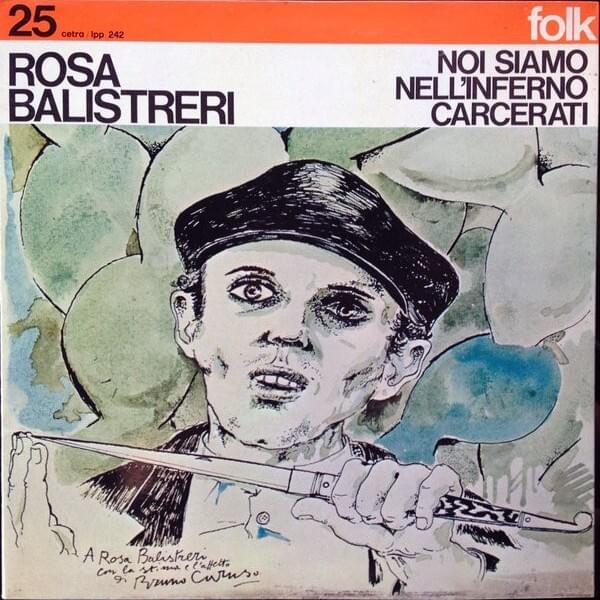
 View Artist