Song Meaning
This song opens with a visceral curse directed at whoever created a place described as a "cruci cruci" (cross-like, or perhaps a place of suffering). The narrator wishes eternal damnation and life imprisonment upon the creator, immediately establishing a tone of deep resentment and pain associated with this location. It's a raw, immediate outpouring of anguish, setting the stage for a bleak portrayal of existence.
The lyrics then paint a picture of this place as a "funnu, cuncavata tana" – a deep, hollowed-out den. It's a place so desolate that "ogn'omu di valuri t'abbannuna" (every man of worth abandons it). The description of it being "costruitu a 'na parti stramani" (built in a strange place) where "nun passa mancu lu scursuni" (not even a viper passes) emphasizes its isolation and inherent danger, suggesting it's a forgotten, unwelcoming void.
The narrator's personal experience within this environment is depicted with stark, brutal imagery. They feel treated "comu un cani" (like a dog) and "'ncatinatu peggiu d'un liuni" (chained worse than a lion). The sustenance described – eating "carduna amari" (bitter thistles) for bread and drinking their own sweat for water – highlights a life of extreme hardship, deprivation, and relentless toil. This is not just suffering; it's a dehumanizing existence.
The raw, unflinching depiction of this cursed place and the narrator's brutalized existence within it creates a powerful emotional impact. The curse at the beginning isn't just anger; it's the cry of someone pushed to their absolute limit, forced to endure a life of profound misery and degradation. The specific, harsh images of thistles and sweat ground the abstract pain in a tangible, agonizing reality.
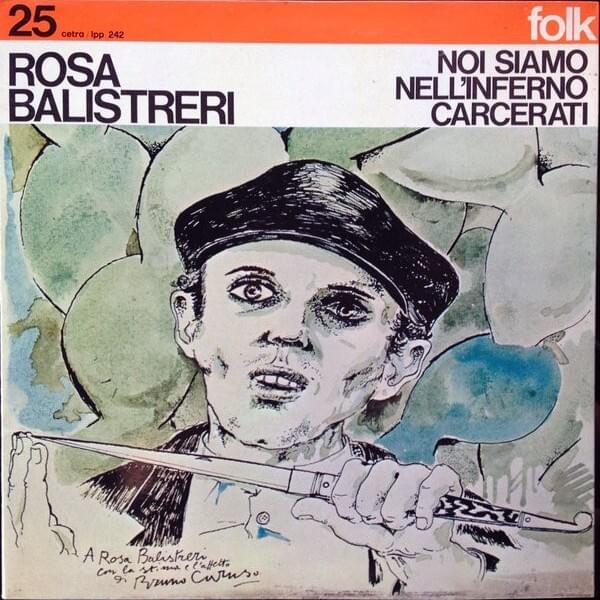
 View Artist