Song Meaning
The lyrics paint a stark picture of a homeland perpetually shrouded in rain, a place the narrator feels compelled to escape. The relentless downpour, lasting "four months," becomes a metaphor for a suffocating atmosphere. This isn't just weather; it's a palpable sense of stagnation and despair that makes even a single day unbearable for the narrator. The immediate impulse is to flee, to seek out the "sun" that has been so absent.
The central tension lies in the narrator's longing for escape versus the implied duty or connection to this difficult place. While the narrator declares they "wouldn't stay even one day," the repeated address to "Mamà" suggests a deep-seated relationship and perhaps a familial obligation or memory tied to the homeland. The act of "running away" is driven by a desperate need for warmth and light, symbolized by the sun that has been missed.
The second verse introduces a harsh reality about the sustenance and community, describing the "bread" that must be "swallowed" by the people there. This bread, endured in silence, represents a difficult, unacknowledged hardship. The people "don't tell you who they are," suggesting a community where genuine connection and expression are suppressed, making the environment even more isolating and unwelcoming.
This lyrical contrast between the oppressive, rainy homeland and the imagined warmth of the sun creates a powerful emotional resonance. The writing effectively uses the persistent rain as a tangible representation of emotional and social hardship, making the narrator's desire for escape feel urgent and deeply felt. The stark imagery of the "bread" further underscores the grim conditions, highlighting a life of quiet suffering.
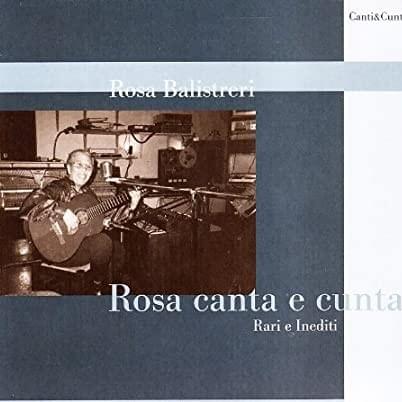
 View Artist