Song Meaning
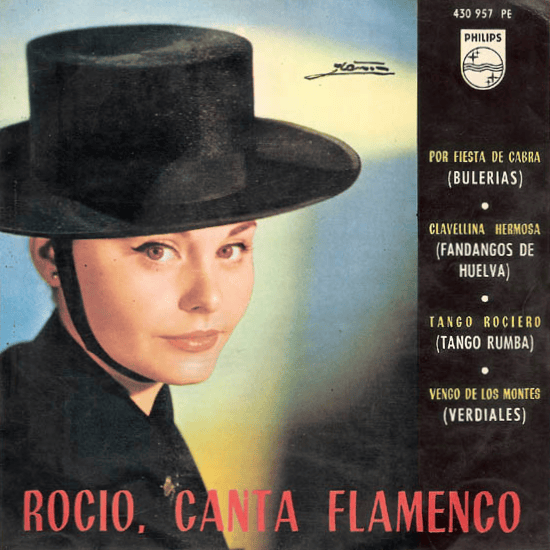
Rocío Dúrcal's "Vengo de los Montes" isn't just a song; it's a visceral homecoming, a return to roots both defiant and deeply affectionate. The opening lines, a longing to bring back the "pueblo de los verdiales," immediately establish a sense of yearning for a specific place and tradition. The verdiales, a type of flamenco from the Málaga region of Spain, are more than just music; they represent a cultural identity, a shared history. The line "Como un pliego de papel" (like a sheet of paper) suggests the fragility and preciousness of this heritage, something easily lost or overlooked in the face of modernity.
The outro shifts the perspective, with Dúrcal declaring, "De los montes algarrobo, yo vengo de la mala gaita." This isn't a simple statement of origin; it's a declaration of self. The "montes de algarrobo" (carob mountains) become a symbolic landscape of her being, a place of both beauty and hardship. The phrase "mala gaita" is interesting. While it can literally mean "bad bagpipe," it's often used idiomatically to describe a bad mood or difficult circumstances.
This tension between the beauty of the tradition and the difficulty of life in the mountains is central to the song's meaning. The line "me cohíba hasta las fiestas" (I would hold back even at parties) suggests a sense of alienation or perhaps a self-imposed exile. Despite this, she clings to the "coplas que adoro," singing from "el palo hasta la caleta" (from the flamenco style to the cove). This final image is powerful: a voice carrying the weight of history and personal experience, echoing across the landscape, finding solace and strength in the music itself.
 View Artist