Song Meaning
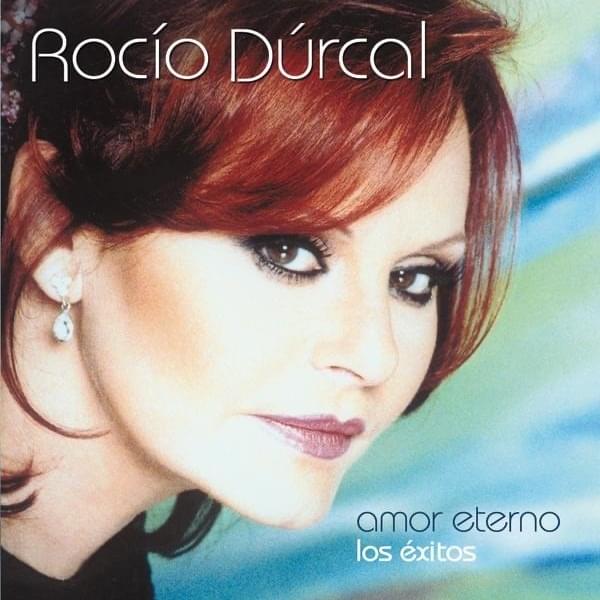
Rocío Dúrcal's "Te Sigo Amando" isn't just a song; it's an exposed nerve, a raw and unflinching portrait of love's lingering ache. The surface is deceptively simple: a string of well-wishes directed at a former lover. She repeats the phrase “Que seas muy feliz” – “May you be very happy” – almost like a mantra, a desperate attempt to mask the turmoil beneath. But the cracks are there, widening with each repetition. The forced happiness becomes a form of self-inflicted torture, a constant reminder of what she has lost. The song meaning resides in the tension between outward benevolence and inner devastation.
The core of "Te Sigo Amando" lies in the brutal honesty of self-reproach. Dúrcal doesn't shy away from admitting her own role in the relationship's demise. The lines “Te amé demás / Y fue mi error” – “I loved you too much / And it was my mistake” – cut deep. It's a recognition that love, in its intensity, can suffocate and ultimately destroy. This isn't a blame game; it's a painful acknowledgment of personal responsibility, a far more mature and complex emotion than simple resentment. She’s paying for her 'error' with loneliness.
The recurring declaration, "Te sigo amando" ("I keep loving you"), isn't romantic; it's a confession of a persistent, almost unwanted attachment. It speaks to the stubborn nature of the human heart, its infuriating inability to simply move on. It's the musical embodiment of Freud's concept of repetition compulsion – the unconscious drive to reenact past traumas. The final instrumental section, devoid of lyrics, underscores the emptiness and the echo of lost love. In "Te Sigo Amando," Rocío Dúrcal doesn't just sing about heartbreak; she inhabits it, leaving the listener with a visceral understanding of love's enduring power, even in its absence.
 View Artist