Song Meaning
Rocío Dúrcal's "Soñando" isn't just a song; it's a raw, exposed nerve of longing. The opening cries of "Ay, que dolor" are primal, visceral. It's a lament for a past self, a time before the ache of absence took root. The immediate plea, "Quiero ser como era antes," hints at a transformation, likely spurred by love, that has somehow left her feeling incomplete in the present. This isn't just sadness; it's a yearning for wholeness, a desperate desire to rewind to a pre-loss existence. The title, meaning 'Dreaming,' creates an ironic juxtaposition; the reality is pain, and perhaps only in dreams can she recapture what's been lost.
The core of "Soñando" hinges on the singer's acknowledgement that her love interest is right: "Amor, amor tu tienes razón / Que sin ti no vivo yo." This is a powerful admission of dependence, a vulnerability laid bare. It's not simply a statement of affection, but a declaration of existential reliance. The repetition of "Quédate conmigo esta noche / Que te necesito" underscores the immediacy of her need. This isn't about grand gestures or future promises; it's about surviving the present moment, clinging to the one person who anchors her to reality. The repeated request to "Hazlo por mi corazón" emphasizes the profound emotional investment and potential devastation at stake.
However, a shift occurs. The lyrics evolve from desperate need to a fragile acceptance. "Hoy nada tengo / Tú llegaste a mi soledad / Siento la paz ahora." This suggests the love, while now a source of potential pain, also brought solace and a sense of peace to her solitude. The final lines, "Ahora estoy tranquila / Te recordare / Siempre," mark a transition from pleading to remembrance. The repetition of "Te recordare" isn't just a promise, but a mantra. The song concludes not in despair, but in a quiet resolve to cherish the memory of the love, suggesting a hard-won acceptance of its absence. The meaning of "Soñando" is not just about loss, but about the enduring power of love to shape and ultimately console us, even in its absence.
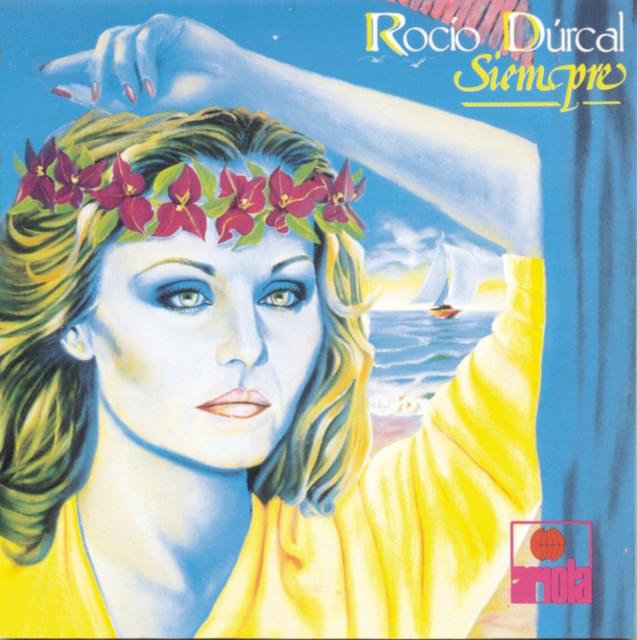
 View Artist