Song Meaning
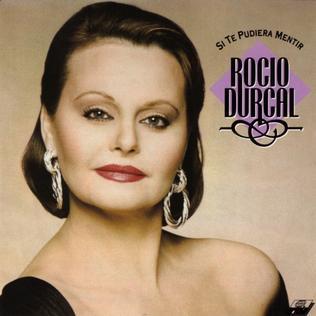
Rocío Dúrcal's "Live Illustrators" (if a direct translation of the title is used), penned by Marco Antonio Solís, is a raw, exposed nerve of a song, dissecting the agonizing push-and-pull of a love that should have ended but somehow endures. The initial confession, "Se me fue olvidando / Cuando te volví a encontrar" (I forgot / When I found you again), sets the stage for a painful relapse. The singer acknowledges a past vow to never trust this person again, yet the mere proximity undoes her. This isn't a tale of naive innocence; it's a brutal self-awareness of her own weakness. She's not just falling; she's choosing to fall, knowing the potential consequences. The darkness she speaks of isn't external; it's the internal turmoil, the emotional quicksand she willingly steps back into. The lyrics never shy away from the inherent contradiction of knowing better but doing it anyway.
The central question, "Que me diste yo no se / Para amarte tanto así" (What did you give me, I don't know / To love you so much), isn't a romantic query, but a desperate plea for understanding. It's the age-old lament of the heart trumping the head. The repeated lines, "Como es que estoy aquí / Después de casi verte / Que no eras mío" (How is it that I'm here / After almost seeing you / That you were not mine), highlight the precariousness of her position. She's hanging on by a thread, fully cognizant that this person isn't hers, yet powerless to sever the connection. The willingness to follow this person anywhere, regardless of the personal cost, underscores the depth of her surrender.
The final verses are the most poignant, framing the relationship as a potential "worst punishment." This isn't presented as a shock; it's an acceptance of a likely outcome. The "culpable eslabón del corazón" (guilty link of the heart) is the core of the song's meaning. It's the recognition that the heart, in its stubborn refusal to let go, is both the victim and the perpetrator. The inability to find reason in forgetting (“Al fin tu olvido no le daba la razón”) reveals the core conflict: the heart's irrationality against the mind’s logic. It's not about whether this love is good or bad; it's about the inescapable gravitational pull of a connection that defies reason.
 View Artist