Song Meaning
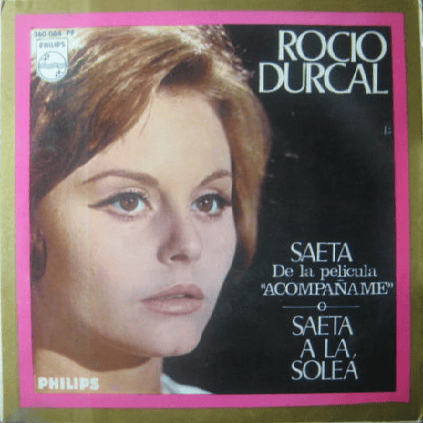
Rocío Dúrcal's "Saeta" pierces the heart with a raw, visceral lament, stripping religious iconography down to its most human core. The lyrics, sparse yet devastating, bypass theological complexities and aim straight for the gut. It's not a song *about* faith; it *is* faith, distilled into a primal scream of empathy. The repeated questioning – "¿Quién te ha enclavado?" (Who has nailed you?) – isn't seeking an answer as much as it's an expression of profound bewilderment and pain at the sight of suffering. The image of the crucified figure transcends religious dogma, becoming a symbol of universal agony and injustice. Dúrcal doesn't just sing; she embodies the collective shock and grief of witnessing unbearable pain.
The genius of "Saeta" lies in its focus on the Virgin Mary. The line "Que ahí viene tu madre / Es divina con el pecho traspasado" (There comes your mother / She is divine with her chest pierced) shifts the perspective from the divine to the deeply personal. It's the mother's pain, the raw, inconsolable grief of a parent witnessing their child's torment, that resonates most powerfully. The "pecho traspasado" (pierced chest) is both literal, referencing the traditional imagery of the Mater Dolorosa, and metaphorical, representing the agonizing wound in a mother's heart. This is not about abstract concepts of salvation; it's about the very real, very human experience of loss and the enduring bond between mother and child.
Ultimately, the song's meaning resides in its emotional intensity. It's a saeta, a musical arrow, aimed directly at the listener's soul. Dúrcal's interpretation, regardless of any specific album context, transforms a traditional religious form into a universal expression of sorrow, compassion, and the enduring power of maternal love in the face of unimaginable suffering. The lyrics analysis reveals a stark portrayal of empathy pushed to its absolute limit, making "Saeta" a haunting and unforgettable experience.
 View Artist