Song Meaning
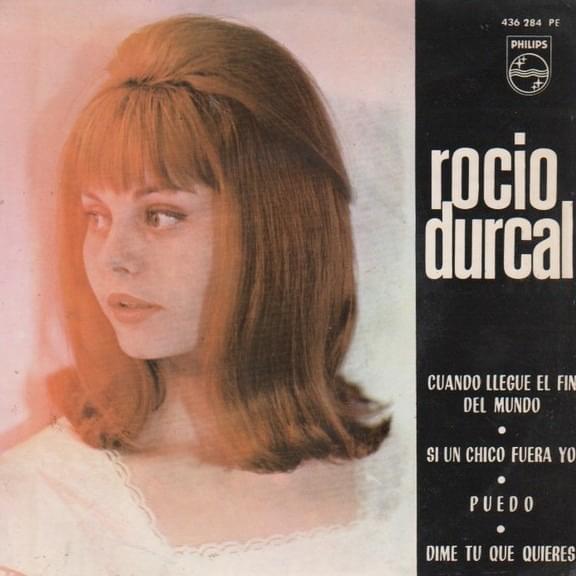
Rocío Dúrcal's "Puedo" isn't a straightforward declaration of love; it's a masterclass in emotional ambivalence, a tightrope walk between desire and self-preservation. The song's meaning hinges on the push-and-pull dynamic articulated in its simple, repetitive structure. The "Puedo" (I can) verses paint a vivid picture of possibility—calling, listening, looking, kissing, and declaring love all seem within reach. These actions represent an intense, almost overwhelming attraction, a magnetic pull towards another person. But this is immediately tempered by the chorus.
The repeated negation, "Pero no, todavía no" (But no, not yet), serves as a powerful counterpoint. It's a shield raised against the vulnerability that comes with falling in love too quickly. The lyrics analysis reveals a fear of rushing into something before being ready, a recognition that timing is crucial in matters of the heart. "Es muy pronto para amar" (It's too soon to love) and "No me quiero enamorar" (I don't want to fall in love) are not rejections of the other person, but rather acknowledgements of an internal struggle. Dúrcal captures the universal experience of wanting something that also scares you.
The song's beauty lies in its honesty. It doesn't offer a neat resolution, but instead leaves us suspended in the tension between wanting and waiting. The repetition of "Pero no, todavía no" in the outro underscores this unresolved state, suggesting that the internal debate is ongoing. "Puedo" is a sophisticated exploration of the complexities of love, reminding us that sometimes the greatest act of self-love is knowing when to hold back, even when every fiber of your being urges you to leap forward. It's a song about the power of restraint, the wisdom of patience, and the delicate dance of the human heart.
 View Artist