Song Meaning
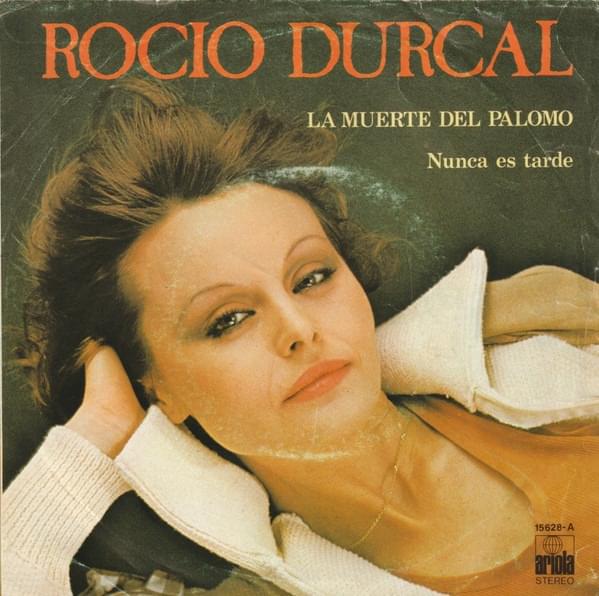
Rocío Dúrcal's "Nunca Es Tarde" is a masterclass in bittersweet acceptance, a psychological study wrapped in the elegant cloak of ranchera. The song’s power lies not in lamenting lost love, but in dissecting the emotional aftershocks of a relationship where the truth arrives agonizingly late. Dúrcal doesn't wallow; instead, she observes with a surgeon's precision, noting how her former lover has finally moved on. The opening lines, dripping with a feigned nonchalance (“Que ya no piensas en mí/ Que ya por fin me olvidaste”), immediately establish this complex emotional landscape. It’s a performance of indifference, carefully constructed to mask a deeper, more conflicted reality.
The core of “Nunca Es Tarde” resides in the painful irony of timing. Just as he's forgotten her, she discovers the truth of his past love (“Si hoy supe que me amaste”). This revelation isn't cause for rekindled hope, but rather a catalyst for a poignant reflection on missed opportunities and unspoken feelings. The chorus, with its repeated assertion of happiness for him (“Pero bueno, me da gusto”), feels less like genuine joy and more like a carefully constructed facade. She wishes him well, but there's an underlying current of melancholy as she urges him to be honest in his future relationships (“Que cuando ames, di que amas sin volver a equivocarte”).
Ultimately, the song's title, "Nunca Es Tarde" (It's Never Too Late), operates on multiple levels. On the surface, it’s a hopeful sentiment – a wish that he has indeed forgotten her, allowing her to finally find peace. However, it also carries a whisper of regret. Is it ever truly too late to express love, to seize the moment? Dúrcal leaves the listener pondering this question, trapped in the ambiguity of a love story defined by what was left unsaid. The song’s true meaning lies in this exploration of delayed emotional awareness and the lingering ache of paths not taken. It’s a testament to Dúrcal’s ability to imbue simple lyrics with profound emotional depth.
 View Artist