Song Meaning
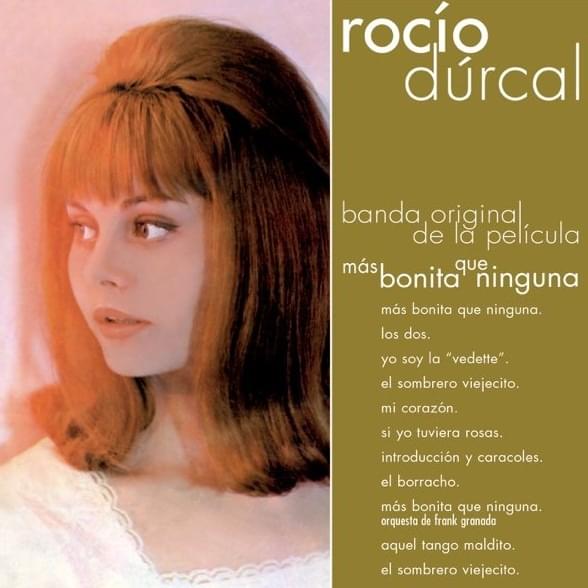
Rocío Dúrcal's "Los Dos" isn't a simple tale of heartbreak; it's a sophisticated tango with self-deception, set to a melancholic rhythm. The song meaning hinges on a central paradox: can a relationship built on mutual lies still offer genuine happiness? Dúrcal doesn't shy away from the uncomfortable truth that sometimes, the most appealing love affairs are the ones where both partners are complicit in a shared fantasy. "Los dos nos conocimos, los dos nos engañamos" – the opening lines establish this premise of intertwined deception, suggesting a conscious choice to enter a reality where truth is a flexible commodity. It's a relationship defined not by what *is*, but by what they both agree to *pretend* is.
The chorus, a haunting question – "¿Y por que no mentir, nuestra felicidad?" (Why not lie about our happiness?) – cuts to the core of the song's unsettling beauty. Dúrcal doesn't present lying as a moral failing but as a pragmatic choice. Perhaps, she suggests, the raw, unfiltered truth is too much to bear, and a carefully constructed lie is the only way to sustain the illusion of love. The line "Lo mejor del amor es creer, la mitad" (The best part of love is believing, half of it) is particularly insightful. It acknowledges the inherent uncertainty in any relationship, suggesting that love requires a degree of willful suspension of disbelief. We only ever see a partial picture of our partner, and the rest is filled in by our own projections and desires.
The song's power lies in its refusal to condemn or condone this behavior. Dúrcal simply presents it as a reality, a valid, if unconventional, path to happiness. The repetition of "la mitad" (half) at the outro reinforces this idea of incompleteness and the subjective nature of love. "Los Dos" isn't just about two people deceiving each other; it's about the universal human tendency to shape reality to fit our emotional needs, even if it means embracing a beautiful lie. It's a mature and thought-provoking exploration of the complexities of love, honesty, and the stories we tell ourselves to survive.
 View Artist