Song Meaning
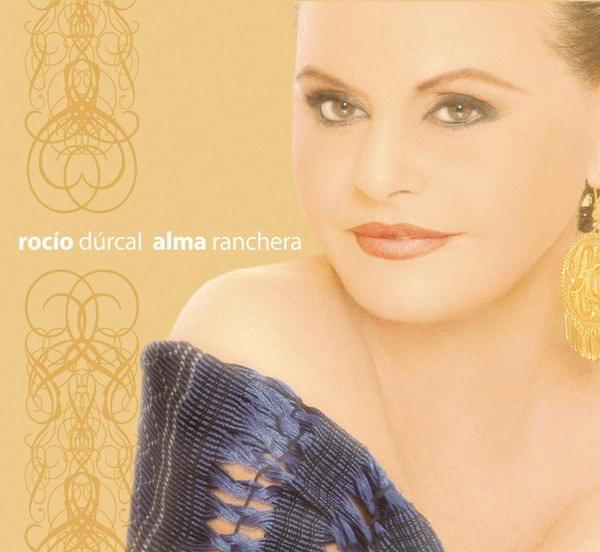
Rocío Dúrcal's commanding presence in "La media vuelta" isn't just musical; it's a masterclass in psychological manipulation, wrapped in the guise of a classic Mexican bolero. The song's core hinges on a power dynamic, meticulously crafted and relentlessly asserted. The opening lines, "Te vas porque yo quiero que te vayas, a la hora / Que yo quiera te detengo," aren't a lament, but a declaration of control. It's a game of push and pull, where Dúrcal's narrator dictates the terms of engagement, knowing precisely the impact of her actions on the other party. This isn't about love as tenderness; it's love as a strategic battlefield.
The lyrics then delve into the narrator's calculated risk-taking. She encourages her lover to explore, to seek affection elsewhere ("Yo quiero que te besen otros labios, para que me compares hoy como siempre"). It's a high-stakes gamble, betting on the irreplaceable nature of her own hold on him. There's a subtle layer of insecurity beneath the bravado; the need for constant validation, the desire to be perpetually chosen. The song suggests a fear of abandonment masked by an overwhelming need to dominate the relationship's narrative. The line "Yo sé que mi cariño te hace falta porque, quieras o no / Yo soy tu dueña" is not romantic, but a chilling assertion of ownership.
The song's title, "La media vuelta" (the about-face), provides the ultimate condition: only if he finds a love that surpasses her own will she concede. This isn't an act of selfless love, but the final, ultimate test. It's a conditional surrender, one that she likely believes will never come to pass. The image of walking away "con el sol cuando muera la tarde" adds a layer of dramatic finality, but even that is laced with a touch of melodrama. Dúrcal’s performance, combined with the song's construction, paints a portrait of a woman who equates love with control, a woman whose deepest fear is not being loved, but being replaceable.
 View Artist