Song Meaning
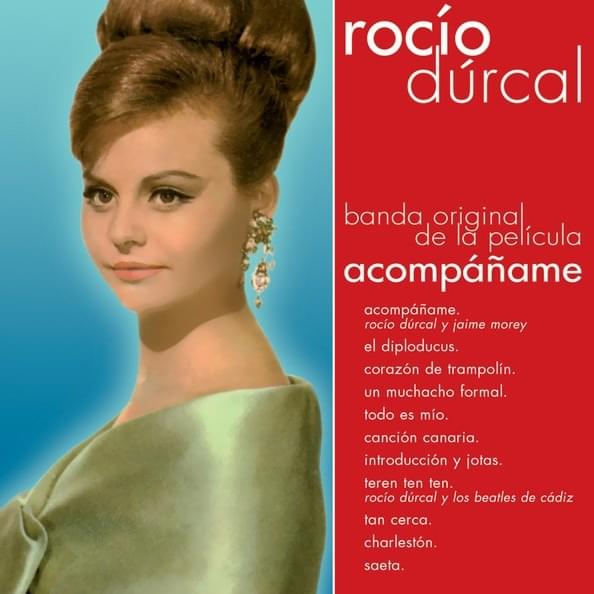
Rocío Dúrcal's "Introducción Y Jotas" isn't merely a song; it's a vibrant, sonic tapestry woven with threads of national pride and cultural identity. The song, divided into distinct parts, functions as a miniature suite, each movement contributing to the overall theme of Spanish identity, specifically drawing on the Jota tradition. The initial instrumental section sets a scene, a prelude to the vocal declarations of love for the land.
The first lyrical section, "Tengo Plantada una Flor," uses the simple image of a planted flower in the mountains of Navarra as a metaphor for rootedness and belonging. The flower's fragrance carried on the wind symbolizes the pervasive and undeniable influence of Spanish culture. It's not an aggressive assertion, but rather a gentle, almost pastoral reminder of the beauty and inherent worth of one's origins. The subsequent section, "El León de Mi Bandera," shifts the tone to one of bolder pronouncements. The lion on the flag, a traditional symbol of Spanish royalty and strength, becomes a herald, its roar amplified by the sound of the Jota, stirring patriotic fervor across the nation.
Finally, "España Noble y Bravía" culminates in an unambiguous declaration of love for Spain and the region of Aragón. The lyrics leave little room for interpretation: there is no land better than one's own. This sentiment, while potentially fraught with nationalistic overtones in other contexts, feels here more like a heartfelt expression of cultural pride and a deep connection to ancestral lands. The repetition within each section, coupled with the instrumental breaks, creates a cyclical effect, reinforcing the enduring nature of these values and traditions. Rocío Dúrcal doesn't just sing a song; she embodies the spirit of Spain, offering listeners a potent and moving experience.
 View Artist