Song Meaning
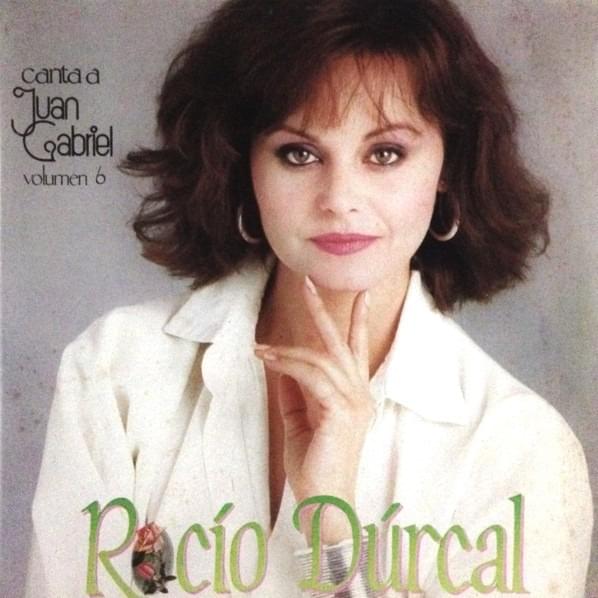
Rocío Dúrcal's "El Canalla" isn't just a lament; it's a slow-burn reckoning fueled by betrayal. The song meaning hinges on the raw emotional exposure of a woman scorned, initially confessing her shame and sadness at falling for an "ingrato" – a thankless, ungrateful lover. The lyrics paint a picture of a fleeting affair for him, but a devastating, life-altering commitment for her. There's a stinging self-awareness present as she calls herself "tonta" (foolish) for ignoring her mother's advice, a detail that adds a layer of cultural context, hinting at the generational wisdom often dismissed in the throes of passion. This isn't just heartbreak; it's a public shaming of her own vulnerability.
But "El Canalla" doesn't wallow in self-pity for long. The tone shifts dramatically as Dúrcal's wounded vulnerability hardens into a steely resolve. The repetition of "Jamas en mi vida pensé" (Never in my life did I think) underscores the depth of the betrayal, but also acts as a turning point. It's a declaration of disbelief morphing into a declaration of war. The lyrics, initially steeped in regret, transform into a vow of vengeance. She repeats the refrain: "Por que me lo hizo el canalla" (Because the rogue did it to me), as if she’s trying to process her hurt, then spits out the determination that this betrayal will be repaid.
The final verses leave no room for interpretation. Dúrcal isn't just hurt; she's hunting. She will find him, she sings, wherever he hides. The ultimate insult, "Miren me quito hasta el nombre" (Look, he even took my name), suggests a complete erasure of her identity within the relationship, fueling her rage. "El Canalla" isn't merely a song about lost love; it's about reclaiming power after profound emotional theft, a potent message about the lengths one will go to reclaim their dignity. The transformation from heartbroken victim to determined avenger is what gives Dúrcal's performance its enduring power, tapping into a primal desire for justice and self-preservation.
 View Artist