Song Meaning
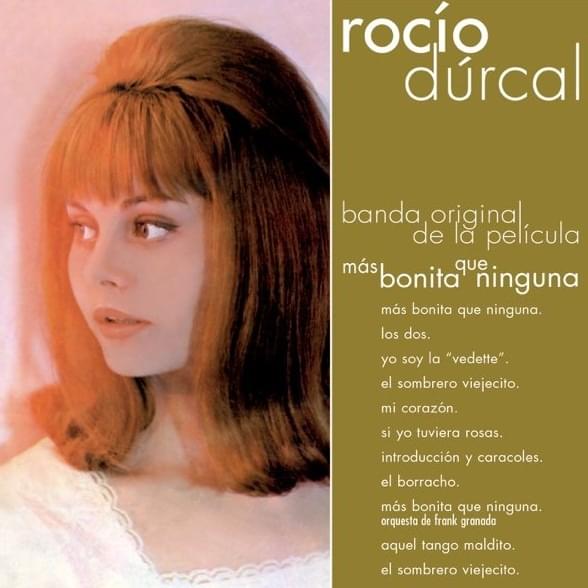
Rocío Dúrcal’s "Berlin," despite its geographically misleading title (the song is actually called "El Borracho"), cuts straight to the heart of existential despair with the blunt force of a tequila slammer. The lyrics, repetitive and raw, circle around a single, desperate plea: "Quiero estar borracho otra vez" – I want to be drunk again. This isn't a celebration of hedonism; it's an admission of defeat. The singer isn't seeking pleasure, but escape. The driving force is not joy, but the avoidance of something far more painful. The core of this song’s meaning lies not in the desire to be drunk, but in the subsequent line: "Quiero vivir feliz" (I want to live happily). Alcohol isn't the *goal*, but the *perceived* means to an end.
The stark contrast between the desire for happiness and the chosen method to achieve it exposes a deep vulnerability. Dúrcal isn't romanticizing alcoholism; she's portraying it as a symptom of a deeper malaise. The repetition of "otra vez, otra vez, otra vez" underscores the cyclical nature of addiction and the feeling of being trapped in a loop of self-medication. The lyrics, though simple, speak volumes about the human condition—the yearning for happiness, the struggle to find it, and the often-destructive paths we take in its pursuit. It's a primal scream disguised as a barroom confession.
The line "No estoy alegre sin llorar, sin llorar" (I am not happy without crying, without crying) is particularly poignant. It suggests that sadness is the singer's default state, and only through intoxication can she momentarily transcend it. However, there's a tragic awareness embedded in this admission. The fleeting nature of alcohol-induced happiness is implied, creating a sense of futility. The song’s analysis reveals a portrait of someone caught between the desire for genuine happiness and the temporary relief offered by the bottle, a battle many listeners understand all too well.
 View Artist