Song Meaning
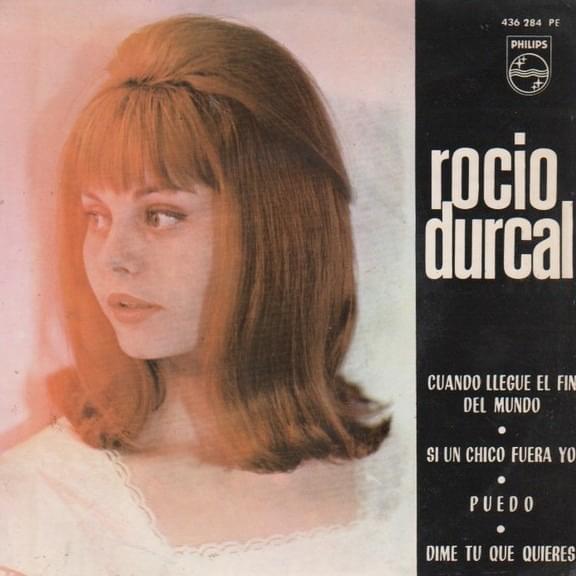
Rocío Dúrcal's "Cuando Llegue el Fin del Mundo" isn't just a love song; it's a survivalist's ballad for the heart. Forget bunkers and canned goods—Dúrcal's prepping involves clinging to a lover as the apocalypse unfolds. The song’s emotional core isn’t about escaping destruction, but finding eternal solace in connection amidst total annihilation. The lyrics paint vivid images of cosmic chaos, a world where angels blare trumpets and the sun sputters out like a dying ember. But in this pandemonium, a simple, desperate promise emerges: "Tú me buscaras, yo te buscare"—you will look for me, I will look for you. This isn't mere romance; it's existential co-dependence.
The apocalyptic setting serves as a stark backdrop, amplifying the intensity of the bond. The lines describing the sea marching across the earth and the heavens opening suggest a world stripped bare, forcing a reckoning. The chorus, a reciprocal vow—"Iré contigo, vendrás conmigo / Y ahí no morirá nuestro amor"—becomes a defiant act against oblivion. It is a declaration that love, in its purest form, transcends even the end of days. The repeated imagery of the sky opening and closing its doors creates a sense of finality, a sealing of their shared fate.
Ultimately, "Cuando Llegue el Fin del Mundo" uses the theatricality of the apocalypse to explore the enduring power of love. It dares to suggest that in the face of ultimate destruction, human connection is not just a comfort, but the only true refuge. The song's meaning resides in its unwavering belief that even when the stars fall and the world crumbles, love can remain a constant, a shared journey into the unknown.
 View Artist