Song Meaning
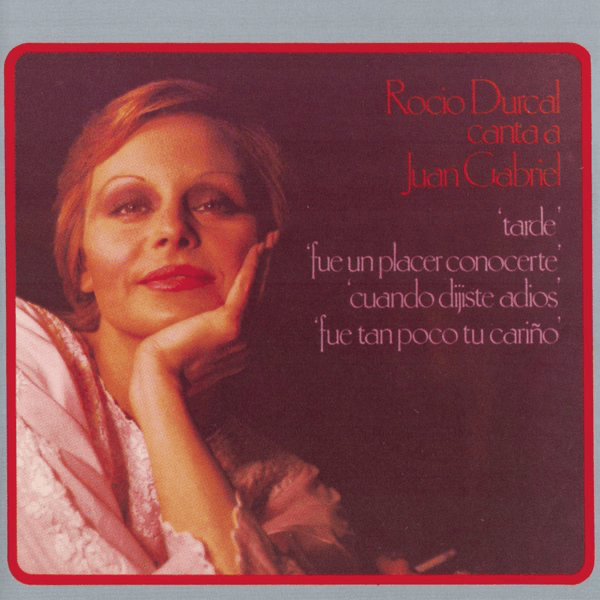
Rocío Dúrcal’s “Cuando Me Dijiste Adiós” isn't just a heartbreak ballad; it's a masterclass in the psychology of grief and enduring devotion. The song meaning resides in the exploration of denial, the first stage of grief, as the singer refuses to accept the finality of the separation. Dúrcal's vocals, imbued with a fragile strength, convey a woman caught between the pain of abandonment and the unwavering hope for reconciliation. The opening lines, "Aunque nunca vuelvas cariño mío, cariño mío / Te esperaré," immediately establish this tension. It's a declaration of eternal waiting, fueled not by logic, but by an almost primal need to cling to the love that was. This isn't a healthy coping mechanism; it's the sound of a heart struggling against the crushing weight of reality.
The recurring motif of the soul ("el alma") elevates the song beyond a simple lament. The lyrics suggest that even in death, the singer's love will persist, her soul continuing to search for the departed lover. This concept borders on obsession, highlighting the potentially destructive nature of unresolved emotional trauma. The pre-chorus, with its plea, "No llores nunca, por este adiós," reveals a paradoxical desire to protect the lover from guilt, even as the singer herself is consumed by sorrow. This selflessness, while seemingly noble, further traps her in a cycle of pain, preventing her from moving forward. The song is a study in codependency, where the singer's identity is inextricably linked to the presence and well-being of her beloved.
Ultimately, "Cuando Me Dijiste Adiós" leaves us with a chilling portrait of love's darker side. The "recuerdo de amor" that the soul promises to deliver is not a gift, but a burden. It's a constant reminder of what was lost, a spectral presence that will forever haunt the lover who dared to walk away. The final repetition of "Cuando dijiste adiós" underscores the pivotal moment of separation, forever etched in the singer's psyche. The song's power lies in its unflinching portrayal of the psychological complexities of heartbreak, reminding us that love, when twisted by grief, can become a force of both profound beauty and devastating consequence.
 View Artist