Song Meaning
Robert Pollard, the ever-enigmatic frontman of Guided by Voices, serves up another slice of lyrical intrigue with "Supernatural Car Lover." It's a fragmented narrative, less a story and more a series of snapshots, leaving the listener to piece together the song's meaning. The opening lines suggest a proposition, a fleeting moment captured and perhaps exploited. The 'supernatural car lover' could be interpreted as a metaphor for a restless spirit, someone drawn to the allure of the road and the freedom it represents, yet also hinting at something beyond the mundane, a desire for transcendence through earthly experiences. There's a duality inherent in the image – the car as a symbol of both liberation and confinement. Is this 'lover' truly free, or are they trapped within their own desires?"
The lyrics take a turn, questioning the subject's authenticity: 'it occurs to me you might be lying about that too.' This introduces an element of distrust and perhaps a commentary on the performative nature of identity. The mention of 'proud man's blues' and 'jump shot' evokes a sense of masculine posturing, further suggesting a constructed persona. The chorus, with its stark declaration that 'all men are in poverty and all men are in love,' injects a universal dimension into the song. It's a statement that simultaneously acknowledges the inherent lack and longing within the human condition. The repetition of 'are you losing your mind?' heightens the sense of unease and disorientation.
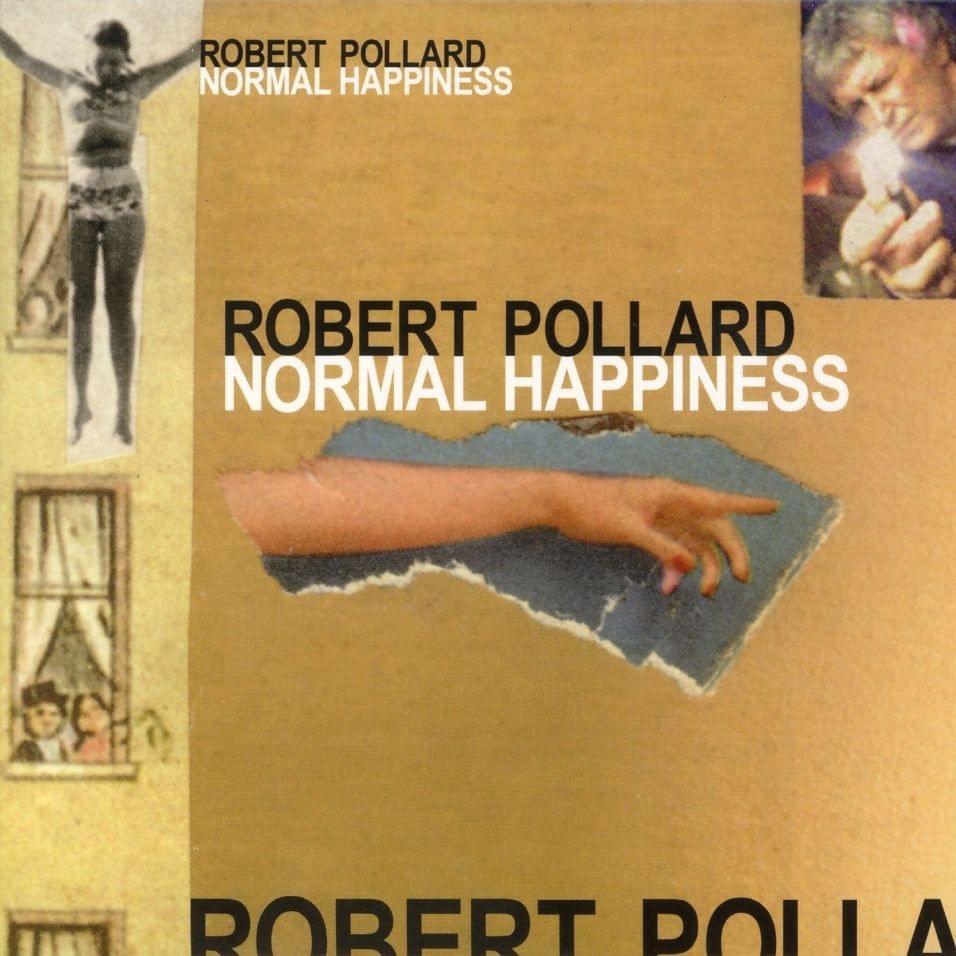
The final verses introduce a figure who 'weeps and he prays in tongues / For normal happiness.' This individual, juxtaposed with the 'supernatural car lover,' seems to represent the antithesis – a yearning for simplicity and contentment. The repetition of 'California too' and 'normal happiness' creates a hypnotic effect, emphasizing the allure of the ordinary. Ultimately, "Supernatural Car Lover" resists easy interpretation. It's a collage of images, anxieties, and desires, capturing the complexities of human experience. The song's power lies in its ambiguity, inviting the listener to project their own meaning onto its fragmented narrative.
 View Artist