Song Meaning
Robert Pollard's "Don't Trust Anybody" arrives like a jagged shard of ice, a quick, almost punk-inflected warning shot fired across the bow of contemporary complacency. The opening lines, juxtaposing melting icebergs with unyielding cold hearts, immediately establishes a thematic core: the disconnect between acknowledging global crises (environmental collapse, poverty, extinction) and the emotional inertia that prevents meaningful action. It's a cynical observation, delivered with Pollard's characteristic blend of wry humor and underlying unease. The line "I laugh as you listen" implicates both the listener and the speaker in this shared predicament. There's a sense of performative engagement, a hollow echo of concern that masks a deeper apathy. He's seeking a solution, "the saw, the adage," but admits his own ineffectiveness, suggesting that simply pointing out the problem isn't enough to solve it.
The chorus, stark and repetitive, "DON'T TRUST ANYBODY..." functions as both a paranoid mantra and a call to radical self-reliance. In a world saturated with information and agendas, Pollard suggests that critical thinking and independent judgment are essential survival tools. The verses leading into this refrain paint a picture of a population "plugged in, programmed, ready to go," evoking a sense of technological enslavement and manufactured consent. This imagery suggests that external forces actively shape our perceptions and behaviors, making genuine connection and authentic understanding increasingly difficult to achieve.
Ultimately, "Don't Trust Anybody" isn't just a nihilistic rant. It's a challenge to break free from the pre-packaged narratives and the comforting illusions that prevent us from confronting uncomfortable truths. While the song offers no easy answers, it serves as a potent reminder of the importance of skepticism, autonomy, and the cultivation of an independent moral compass in an age of widespread manipulation and manufactured realities. Pollard's lyrical fragmentation mirrors the fractured nature of contemporary discourse, urging us to navigate this chaotic landscape with our eyes wide open, trusting only our own discerning judgment.
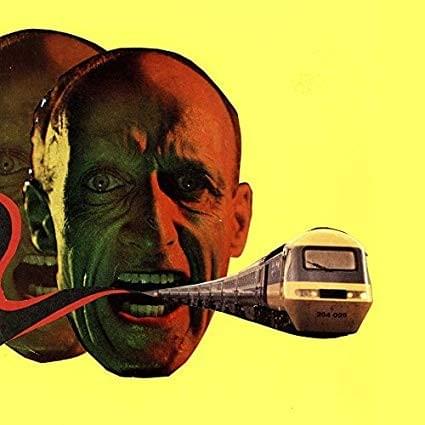
 View Artist