Song Meaning
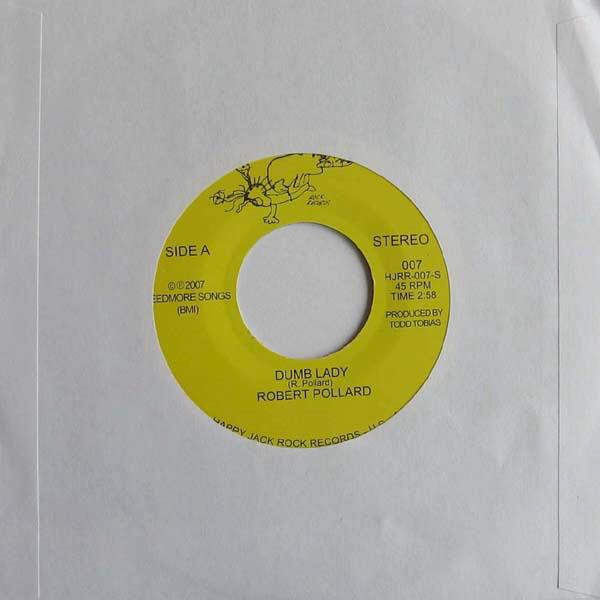
Robert Pollard's "Dumb Lady" feels like a fragmented transmission from a dissolving relationship, a kaleidoscope of regret and accusation viewed through a hazy, beer-soaked lens. The opening lines, "Looking down on a street of love / Jewelled, paved, foolsafe," immediately establish a sense of detached observation, as if the speaker is surveying the wreckage from a distance. The casual dismissal of the 'dumb lady' hints at a power imbalance, a condescension that permeates the entire song. The firefly/lightning bug comparison, seemingly simple, suggests a fundamental misunderstanding, a failure to recognize shared essence beneath superficial differences. This sets the stage for the relationship's unraveling.
The middle verses paint a picture of chaotic intimacy: "Shaving and dancing in the poor light / Confused, deranged." There's a raw, almost feral energy here, a sense of lives lived on the fringes. The abrupt shift to "To the next level of no way / You pushed me away, don't write me no more" underscores the suddenness of the break, the feeling of being cast aside. The lyrics devolve into a litany of grievances: lies, betrayal, and the destructive allure of "cocaine crapshoots." The line "a love both shallow and proud" is particularly biting, encapsulating the inherent contradictions that doomed the relationship from the start.
Ultimately, "Dumb Lady" is a lament, not just for a lost love, but for lost potential. Despite the bitterness and recriminations, there's a lingering sense of shared vulnerability. The plea, "Dumb lady, do bare the tale / About me, I'm also blind," reveals a glimmer of self-awareness, an admission of mutual culpability. The closing lines, "And with you it's always gonna rain / Always feel the same," suggest a cyclical pattern of dysfunction, a recognition that the pain will likely persist, regardless of who's to blame. The 'dumb lady' isn't just a target of scorn, but a mirror reflecting the speaker's own flaws and failures.
 View Artist