Song Meaning
Robert Pollard, the prolific bard of Dayton, Ohio, has built a career on cryptic pronouncements and seemingly tossed-off profundities. "Accusations," in its brief, buzzing runtime, is no exception. The song opens with a stark observation of mortality and rebirth, a cyclical dance where identities are both claimed and weaponized: "They die around you / And yet they come alive / And every name they take / They make it known for you." This could be interpreted as a commentary on the burden of legacy, or the way history (personal or collective) perpetually reshapes our present. The line "Dead i ain't little girl / But last night i was alone" adds a layer of vulnerability and defiance, a refusal to be counted out despite feeling isolated. Is this a personal declaration of creative resilience, or a broader statement about the human condition? It's difficult to say for sure. Pollard's genius often lies in suggesting possibilities, not dictating answers.
The chorus, repetitive and slightly distorted, throws us into the heart of the matter: "Making accusations / In the accusations / We're the backward nations / Don't you love them baby now." The phrase "backward nations" is particularly intriguing. Is this a political jab at societal regression, or a more internalized critique of self-destructive tendencies? The ambiguity is key. The use of "accusations" as a kind of recursive loop suggests a system of blame, where everyone is both perpetrator and victim. The concluding lines, "A kiss will see it now / For generations my love / My heart," offer a glimmer of hope, a possibility of redemption or understanding through intimacy and enduring affection.
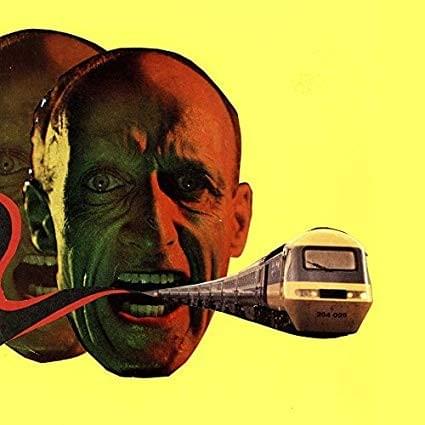
Ultimately, the song meaning of "Accusations" resides in its fragmented nature. It's a collage of images and emotions, a snapshot of inner turmoil and external observation. Pollard doesn't offer easy answers or resolutions. Instead, he presents a series of evocative statements and invites the listener to piece together their own understanding. The beauty of his work lies in this collaborative act, where the listener's own experiences and interpretations become integral to the song's meaning. It's a testament to his enduring power as a songwriter, his ability to craft miniature universes that resonate long after the final chord fades away.
 View Artist