Song Meaning
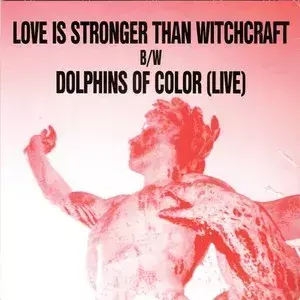
Robert Pollard, the ever-prolific bard of Dayton, Ohio, offers another cryptic gem in "Love Is Stronger Than Witchcraft." This isn't your typical love song; it's a gnomic declaration wrestling with faith, duty, and the potent force of affection. The opening lines immediately establish a tension, a struggle to connect with a prescribed spiritual ideal ("Jesus mind"). The narrator seems to be going through the motions, dutifully performing good deeds, yet feeling disconnected from the underlying belief system. He is a "damn good model," but at what cost? Is this conformity a genuine expression of faith, or a hollow performance?
The chorus, a simple yet powerful assertion, provides the central thesis: "Love is stronger than witchcraft." This isn't a saccharine sentimentality; it's a defiant statement against darker forces, perhaps the "witchcraft" of societal expectations, religious dogma, or even the narrator's own self-doubt. Love, in this context, is not merely romantic; it's a primal, protective energy capable of overriding malevolent influences. It suggests that genuine human connection and compassion hold more sway than ritualistic practices or prescribed beliefs.
The subsequent lines, "That's the #1 reversal / That's the emptiest place in the circle," deepen the mystery. The "reversal" could refer to a turning away from traditional power structures, a rejection of empty rituals, or even a personal epiphany. The image of the "emptiest place in the circle" suggests a void, a space where old beliefs have been shed, leaving room for something new – perhaps the very love the song champions. The command to "Make them come down / Empty the circle" implies a call to dismantle these outdated structures and embrace a more authentic existence fueled by love's power.
 View Artist