Song Meaning
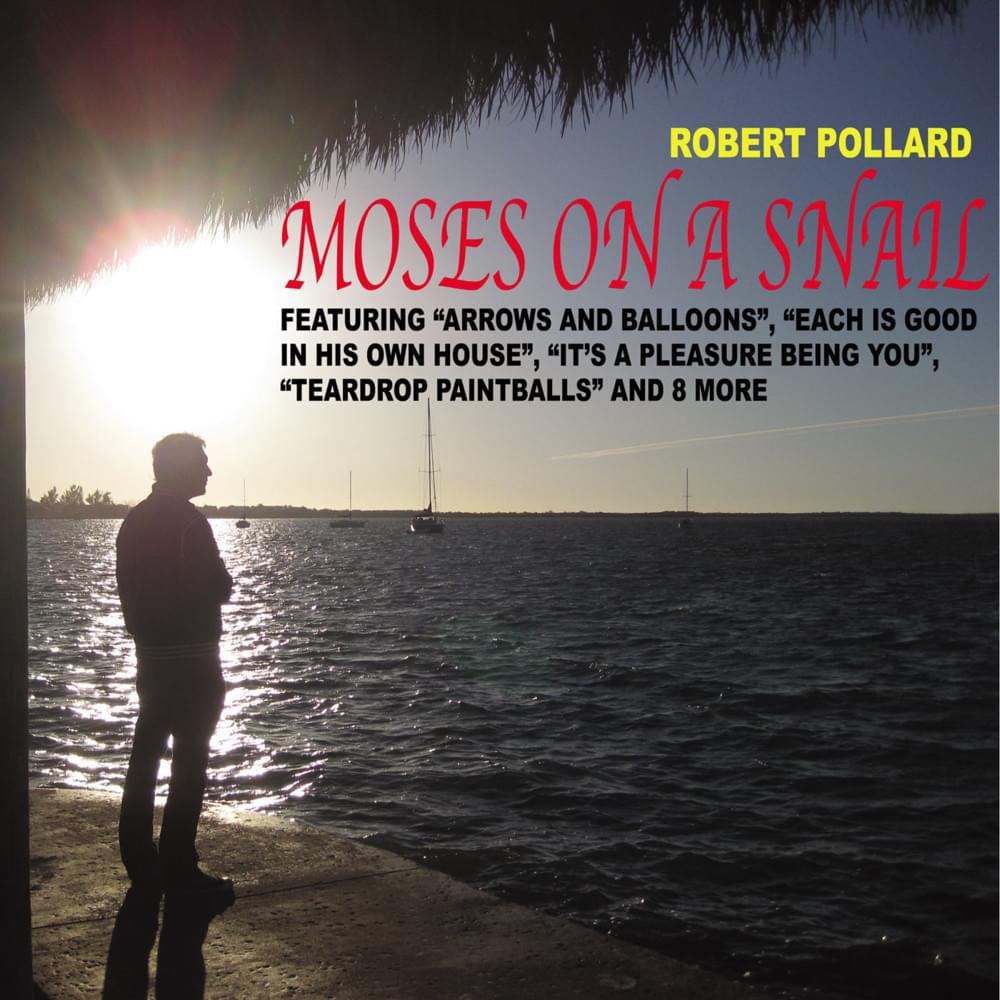
Robert Pollard, the prolific bard of Guided by Voices, offers a characteristically oblique glimpse into societal hypocrisy with "Each Is Good in His Own House." The opening lines, dripping with sardonic wit, paint a picture of divine patronage intertwined with earthly compensation: "God drives a Cadillac / And pays my salary so I come back." This immediately establishes a world where moral authority is not only compromised but actively fueling the machinery of everyday life. The phrase "nasty generation" suggests a cynicism towards contemporary culture, one quick to perceive ulterior motives ("it's all a trap") yet equally complicit in perpetuating them. The recurring plea for pardon feels less like genuine remorse and more like a performative gesture within this corrupt system.
The chorus, or rather its central mantra, delivers the core of the song's meaning. "Each is good in his own / House and Garden" is a biting commentary on the human capacity for self-justification. It's the ultimate rationalization, a way of compartmentalizing actions that might be questionable outside the confines of one's personal domain. The shift from "garden" to "yard" to "house and garden" amplifies this sense of encroaching insularity, as if the individual's moral boundaries are constantly shrinking to accommodate their desires. The repetition of "no pardon" underscores the unforgiving nature of this self-constructed reality; there's no external absolution, only the internal echo chamber of one's own justifications.
The latter verses, with their talk of "wonderland" and wanting "more at the door for sure," further expose the insatiable appetite driving this moral flexibility. The "after-dinner line" implies a superficial agreement, a collective pretense that "everything is fine" even when the underlying rot is palpable. Pollard isn't necessarily condemning individual behavior as much as he's dissecting the societal structures that enable and normalize it. "Each Is Good in His Own House" serves as a potent, if unsettling, reminder of the ease with which we can all become architects of our own moral prisons, finding comfort and justification within the walls we've built.
 View Artist