Song Meaning
Robert Goulet's rendition of "I'm A Fool To Want You" isn't just a ballad; it's a study in self-deception, a masterclass in the push and pull of destructive desire. The opening lines aren't a confession as much as a self-indictment, a recognition of the speaker's own folly in pursuing a love that inherently lacks the exclusivity he craves. The phrase "a love that's there for others too" isn't delivered with anger, but with a weary resignation, suggesting a pre-existing awareness of the situation's hopelessness. This isn't naivete; it's a conscious choice to embrace the unsustainable. It speaks to a deep-seated need, perhaps a craving for validation, that overrides rational self-preservation. The repeated declaration of foolishness becomes an almost ritualistic act, a verbal flagellation for succumbing to temptation.
The lyrics then delve into the physical manifestation of this internal conflict. "To seek a kiss not mine alone / To share a kiss the Devil has known" elevates the affair beyond mere infidelity. It suggests a connection tainted by darkness, a dangerous allure that's both irresistible and morally compromising. The "Devil" isn't just a metaphor for the other person in the affair; it represents the speaker's own inner demons, the self-destructive impulses driving him towards a forbidden pleasure. This isn't about romantic love in its purest form; it's about a primal need, a craving that transcends conventional morality. The kiss, therefore, becomes a symbol of transgression, a tangible representation of the speaker's willingness to abandon his own principles for a fleeting moment of satisfaction.
The cyclical nature of the relationship is laid bare in the bridge. The repeated attempts to break free, followed by the inevitable return, highlight the speaker's powerlessness. "Time and time again I said I'd leave you… But then would come the time when I would need you" encapsulates the core of the song's tragedy. It's not just about wanting someone; it's about *needing* them, a dependency that renders the speaker incapable of making rational choices. The final plea – "Take me back, I love you / Pity me, I need you" – is a surrender, a complete abdication of self-respect. The acknowledgment that "it's wrong, it must be wrong" only underscores the speaker's profound internal conflict. He knows the relationship is toxic, yet he's unable to extract himself from its grasp. Ultimately, "I'm A Fool To Want You" is a raw, unflinching portrayal of addiction, where the object of desire becomes a source of both pleasure and pain, and the individual is trapped in a perpetual cycle of self-destruction.
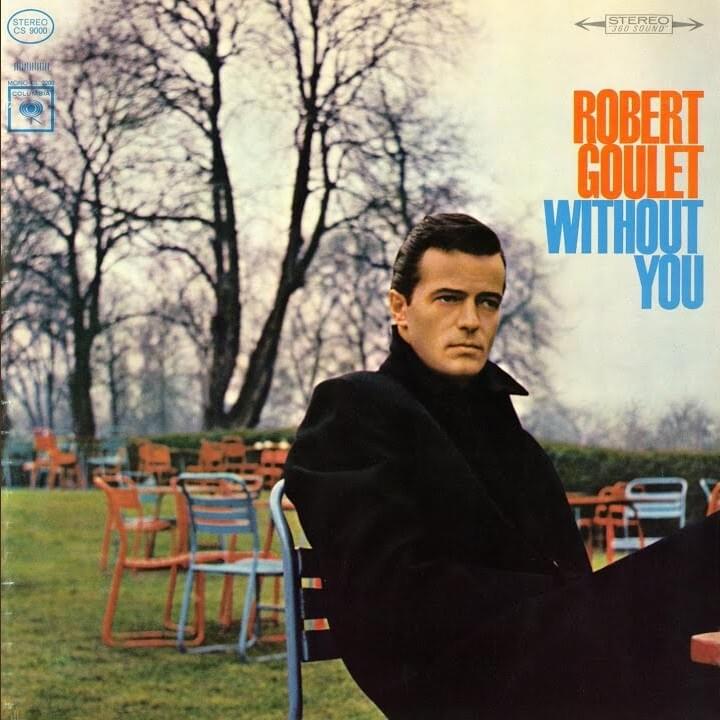
 View Artist