Song Meaning
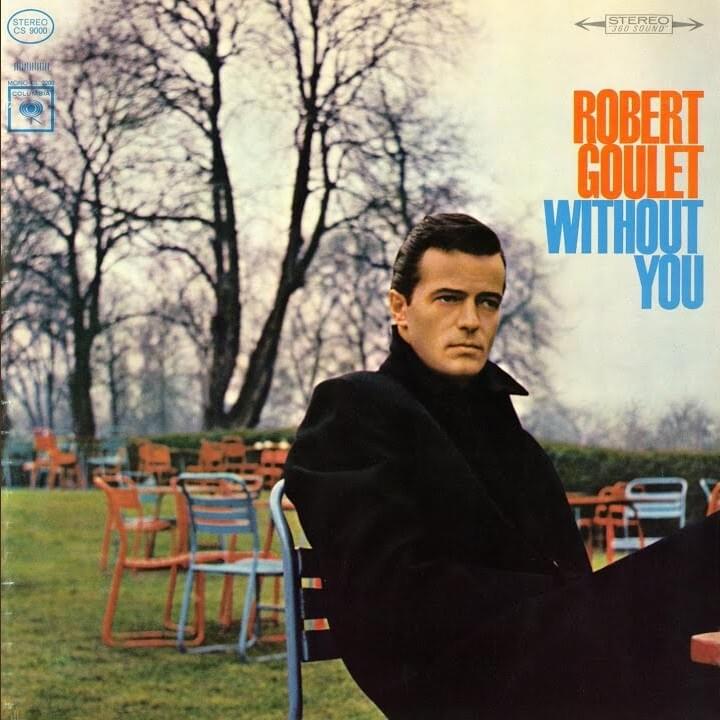
Robert Goulet's "Without You" isn't just a ballad; it's a masterclass in the art of stoic heartbreak. The song navigates the raw landscape of loss with a surprising blend of acceptance and profound melancholy. Goulet doesn't wallow; instead, he acknowledges the relentless march of time and nature—"Rain will rain, snow will snow / The Earth will keep on turning, even though you go." This isn't denial, but a recognition that life, however altered, persists. It's the emotional equivalent of watching the sunrise after your world has crumbled. The core song meaning hinges on this duality: the world continues, but the singer is forever changed. A psychological reading suggests a negotiation between the ego's desire for control and the reality of irreversible loss.
The lyrics subtly reveal a complex internal conflict. The repeated phrase "I'll go on without you" initially sounds like a declaration of independence, but it's undercut by admissions of longing: "I'll miss you so," "I'll need you so," "I want you so." This tension exposes the gap between what one intellectually knows—that survival is necessary—and what the heart desperately desires. The lines "Time's gonna heal the heartache I will / But who can wait a million years / And who can cry a million tears" highlight the agonizingly slow process of healing. It is an admission of the near-impossibility of fully recovering from a love so profound.
Ultimately, "Without You" transcends a simple tale of romantic loss. It’s an examination of resilience, albeit a bittersweet one. The closing lines, "I love you so, that I just don't know / How I'll ever go on without you," circle back to the initial pain, suggesting a cyclical nature to grief. While the singer pledges to carry on, the underlying question of *how* remains unanswered, hanging in the air like a ghost. It is a song about learning to live in the shadow of a love that defined you, a love whose absence forever alters the landscape of your being. The song meaning resides not in the promise of a new dawn, but in the quiet acceptance of a permanently changed reality.
 View Artist