Song Meaning
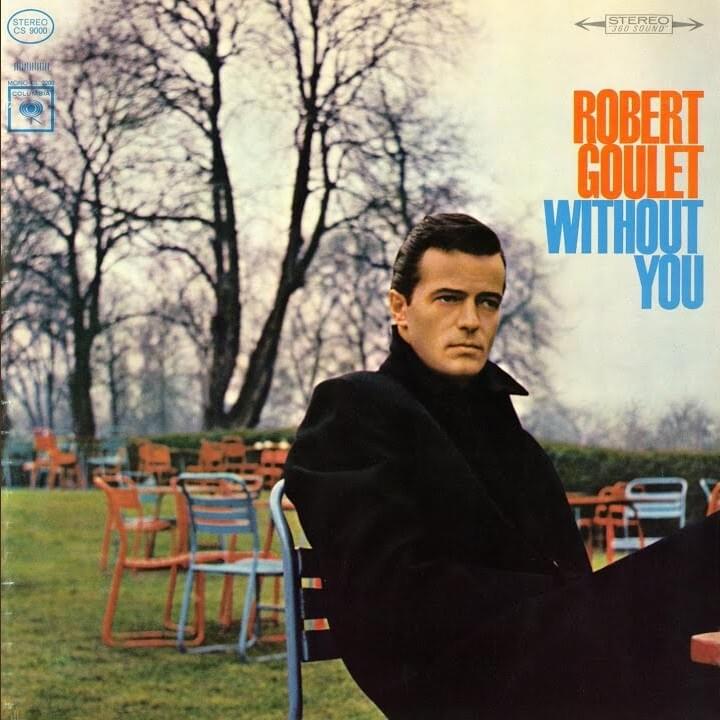
Robert Goulet's rendition of "I'll Be Seeing You" isn't just a song; it's an exercise in wistful ubiquity. The lyrics paint a portrait of grief so profound it bleeds into the everyday. It's not about a specific memory, but about the haunting persistence of a loved one's absence, turning ordinary locales into painful reminders. The 'small café,' 'the park,' even the 'children's carousel' become stages for this spectral presence. The genius lies in how Goulet’s delivery amplifies the sense of inescapable longing, transforming these mundane settings into emotional minefields. This isn't just missing someone; it's about the world itself becoming a constant trigger.
The song's power stems from its simplicity. Instead of grand pronouncements of love or loss, it focuses on the subtle, insidious ways grief reshapes perception. The repeated phrase "I'll be seeing you" takes on a double meaning, suggesting both a hopeful anticipation of reunion and the agonizing reality of their perpetual absence. The shift from daytime imagery ("every lovely summer's day," "morning' sun") to the solitude of night ("when the night is new," "looking at the moon") underscores the relentless nature of this emotional state. There's no escape, no solace – only the constant, gnawing awareness of what's been lost.
Ultimately, "I'll Be Seeing You" resonates because it captures a universal truth about the human condition: that love and loss are inextricably intertwined. It’s a masterclass in how absence can be as palpable as presence, and how grief can transform the world into a living memorial. Goulet’s version, in particular, emphasizes the almost unbearable beauty of memory, even as it acknowledges the pain of separation. It's a song for anyone who has ever looked at the moon and seen a face staring back.
 View Artist