Song Meaning
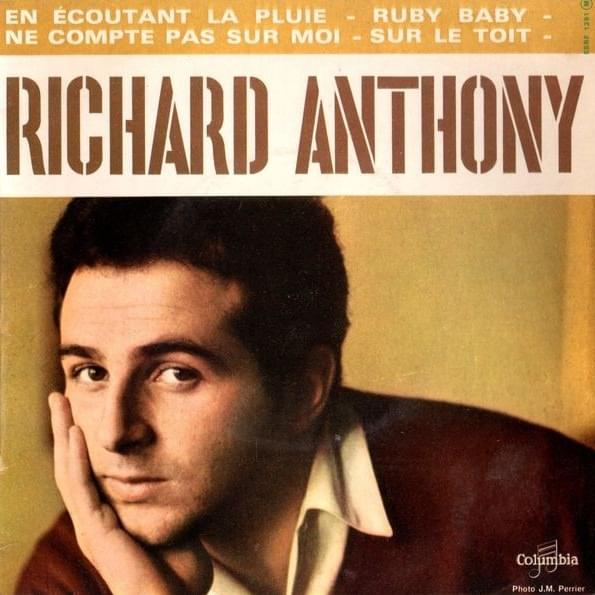
Richard Anthony's "Ruby Baby" is a study in pained repetition, a lovesick mantra echoing through the chambers of a broken heart. The song, sung in French, immediately establishes Ruby as the focal point of the narrator's world, a world now fractured by her absence. The opening lines, "J'aimais une fille et Ruby est son nom / Elle ne m'aime plus, mais je redis son prénom," lay bare the central conflict: a love lost, yet a name that refuses to be silenced. It's the psychology of obsession distilled into a pop song.
The repeated calling of her name, "Ruby, Ruby," transcends simple affection; it becomes a desperate plea, a yearning for a connection that seemingly no longer exists. The lyrics paint a portrait of a man consumed by his longing. He confesses to sleepless nights and the absence of joy since her departure. Ruby was his "soleil et ma joie" (sun and joy), metaphors that underscore the all-encompassing nature of his love and the corresponding devastation of her absence. This isn't just heartbreak; it's a dismantling of his emotional landscape.
Ultimately, the song's meaning hinges on the narrator's unwavering hope, however fragile. Despite the pain and the explicit acknowledgment that Ruby no longer loves him, he clings to the possibility of reunion. The question, "Seras-tu un jour à moi?" (Will you ever be mine?), is repeated like a prayer, a fragile shield against the crushing weight of reality. Even as he admits he "ne peux pas l'oublier" (cannot forget her) and is compelled to cry out, he vows, "moi je t'attendrai" (I will wait for you), solidifying the song's core theme: the agonizing persistence of hope in the face of lost love.
 View Artist