Song Meaning
Richard Anthony's "Loin" isn't just a song; it's a melancholic postcard from a love affair that shimmered briefly under the Mediterranean sun. The opening verses paint a vivid picture: golden hair illuminated by the sun, soft sand, and kisses as gentle as the sea. This idyllic scene, however, is drenched in a sense of fleeting beauty, a premonition that this paradise is temporary. The repetition of "Loin, loin" (Far, far) acts as both a yearning and a foreshadowing of the distance that will inevitably separate the lovers. The lyrics suggest a profound connection, a feeling that they could "share a thousand lives," yet this is quickly juxtaposed with the cold reality of impermanence. The idealized love exists in a space that feels almost unreal, a dream destined to fade. The psychology at play here is the bittersweet recognition of transient joy, the awareness that intense happiness can be a harbinger of equally profound loss. 
The shift from vibrant imagery to the somber tones of autumn signals the inevitable heartbreak. The sea, once a symbol of connection and shared intimacy, becomes a boundary, a reminder of the separation. The line "Tristement on a dû se quitter" (Sadly we had to leave each other) encapsulates the quiet resignation that often accompanies the end of a summer romance. There's no dramatic outburst, no accusatory blame—just a gentle acceptance of fate. This mature handling of heartbreak speaks to the song's emotional intelligence. It's not about the drama of the breakup, but the quiet ache of absence.
The final verse underscores the desolation. Under a rainy sky, the distance is palpable, and the singer's heart is consumed by loneliness. The closing lines, "Loin, si loin, il ne reste rien / Qu'une image dans le creux de ma main" (Far, so far, nothing remains / Only an image in the palm of my hand), are particularly poignant. The memory of the love affair is now a fragile keepsake, a ghost held delicately in the hand. It's a testament to the power of memory, how a fleeting moment can leave an indelible mark, even as time and distance conspire to erode its substance. Ultimately, “Loin” explores the universal experience of love and loss, capturing the bittersweet beauty of fleeting moments and the enduring power of memory.
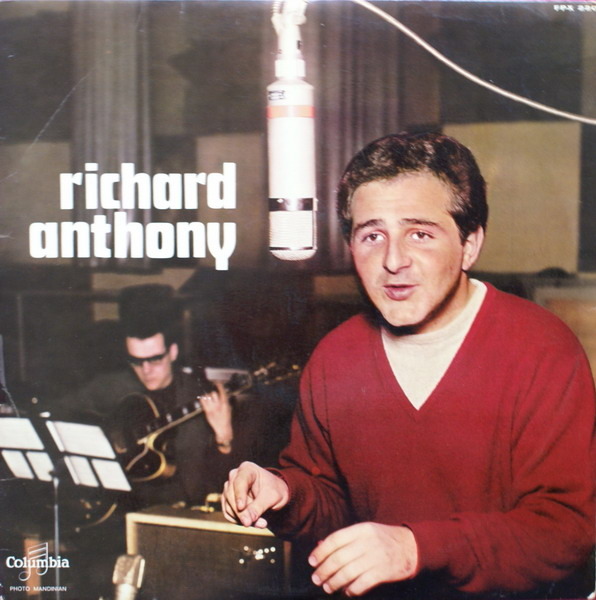
 View Artist