Song Meaning
The narrator recounts a series of actions taken to fulfill someone else's expectations, adopting their identity and making significant life choices on their behalf. They "wore the clothes you wanted" and "took your name," suggesting a complete assimilation into another's persona. This performance of compliance extends to serious matters like signing a "living will" and adopting a "smiled your face," indicating a deep, perhaps forced, commitment. The line about closing the book on "NASA in outer space" feels like a surreal dismissal of grand ambitions, perhaps mirroring the narrator's own abandoned dreams.
The core tension lies in the repeated question, "If there is some confusion, a-who's to blame?" This refrain hangs over the narrator's actions, implying a potential disconnect between their efforts and the intended outcome, or perhaps a subtle accusation directed back at the person whose name they took. The narrator seems to be both the architect of these changes and a bewildered participant, questioning responsibility for the resulting situation. They "sequenced your arrival" and "sealed your fate," taking control, yet the persistent question of blame suggests a lack of genuine agency or a desire to deflect it.
The lyrics employ a striking mix of domesticity and grand, almost cosmic, imagery to illustrate the narrator's assumed role. From signing a will to erasing a "master tape" and pulling a "big-ass daddy Roth car out of that ditch," the actions span mundane tasks to dramatic interventions. The narrator's willingness to be anything – "albatross, Devil, dog, Jesus, God" – highlights the extreme lengths they've gone to, even adopting a persona they don't want, like "Iggy Pop," if it serves the other person's agenda. This chameleon-like adaptation underscores the loss of self in service of another.
This piece resonates because it captures the exhausting performance of trying to be someone else, or for someone else, and the lingering ambiguity of who is truly responsible for the outcome. The narrator's detailed list of compliance, coupled with the insistent, almost desperate, question of blame, creates a powerful portrait of identity erosion and the complex emotional fallout of such a sacrifice. It's a sharp, almost bitter, acknowledgment of the cost of playing a part that isn't your own.
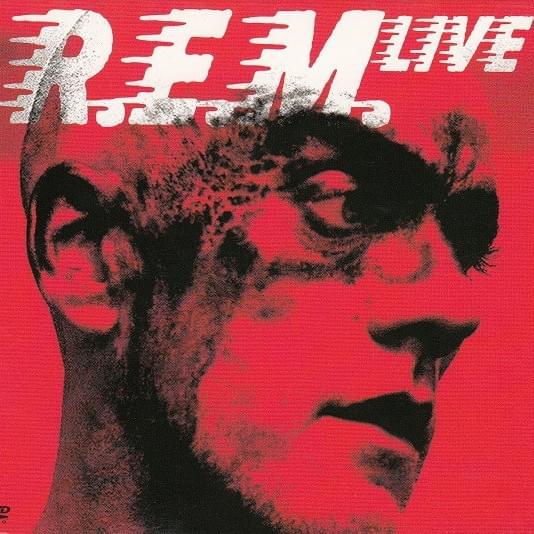
 View Artist