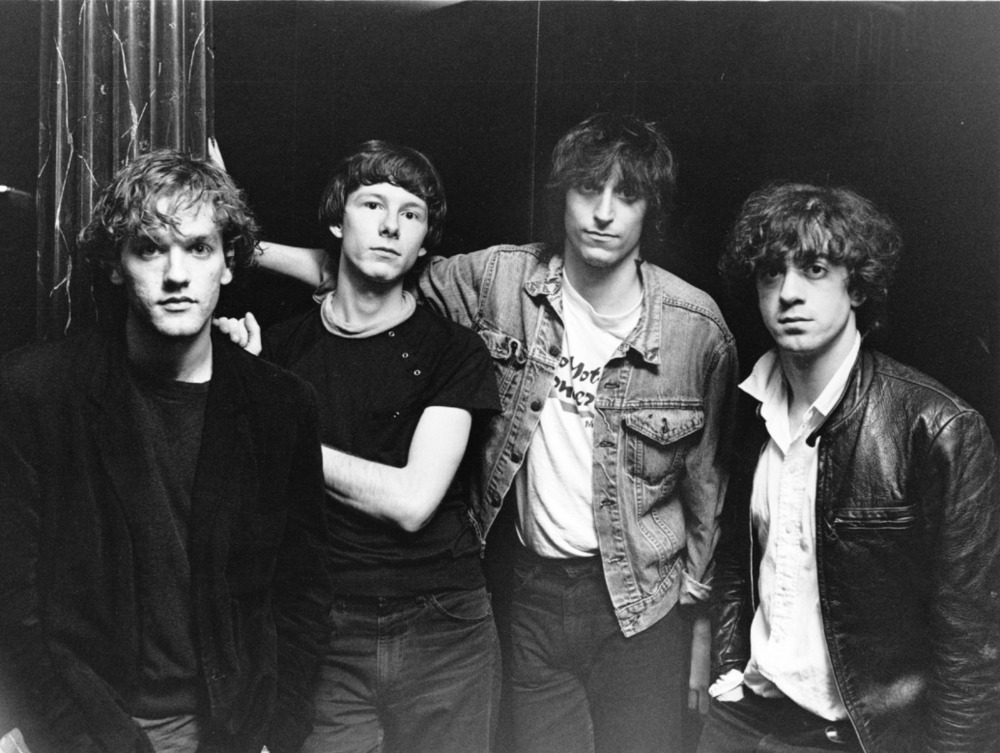
Photo of R.E.M.

R.E.M.

602.3K Listeners

Artist Bio

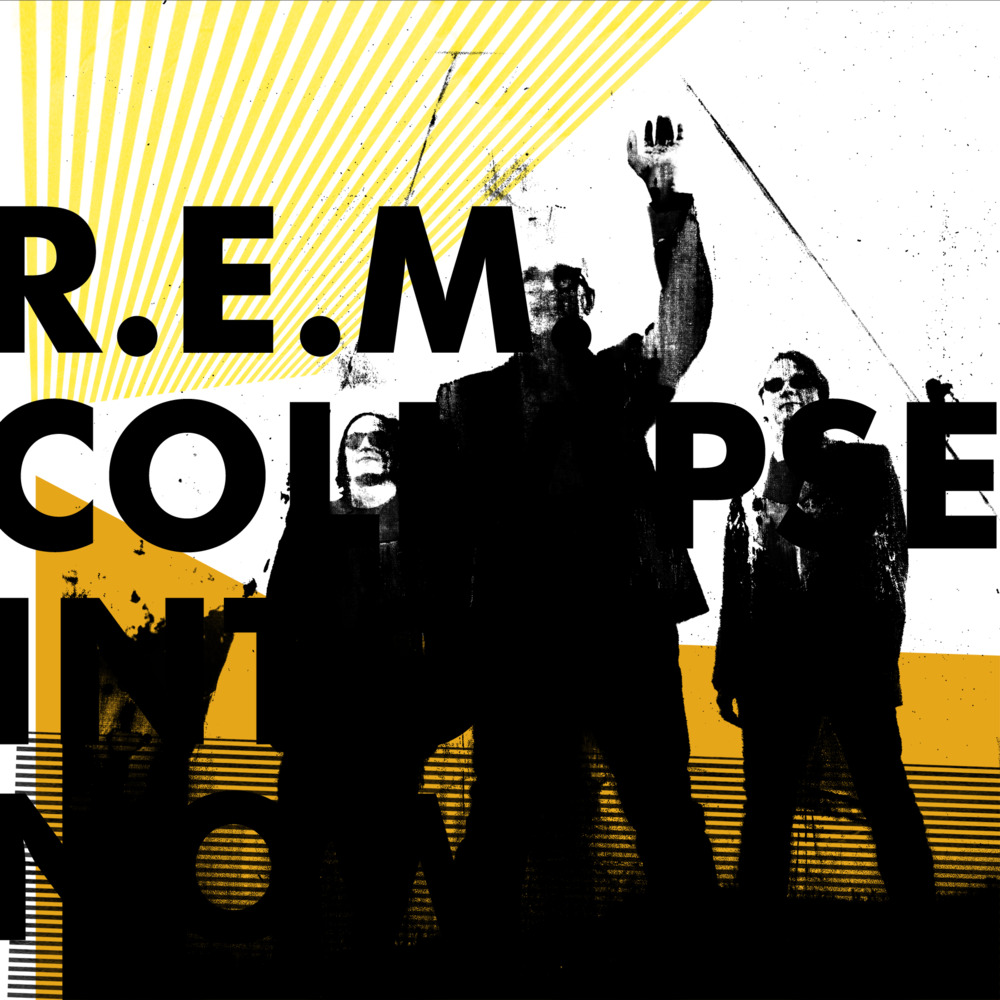
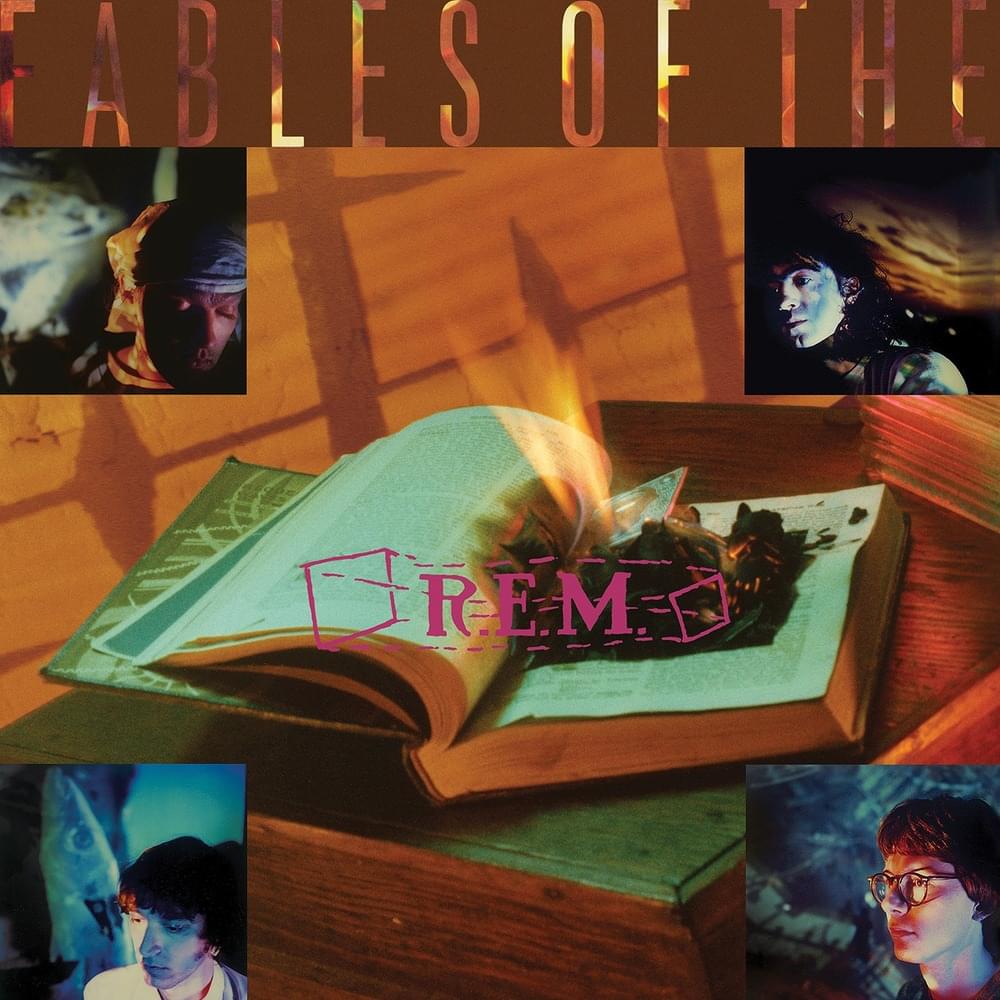
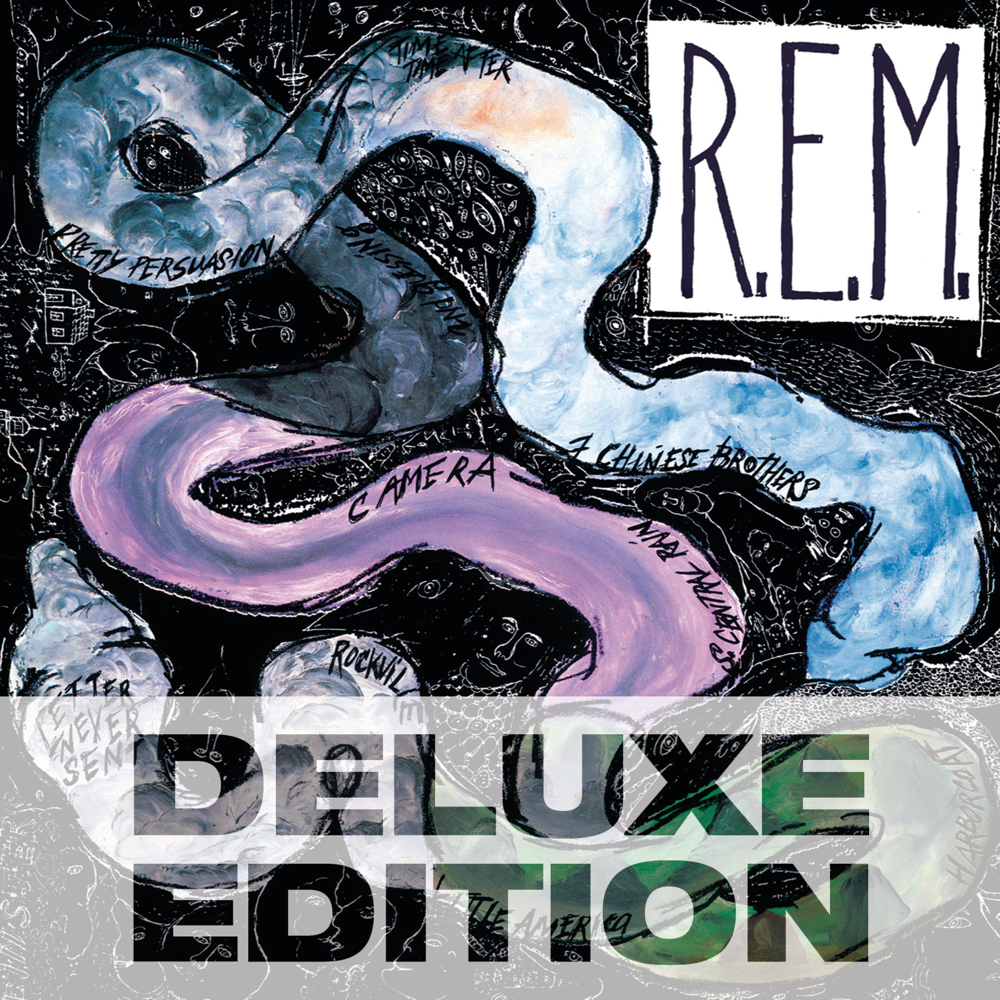
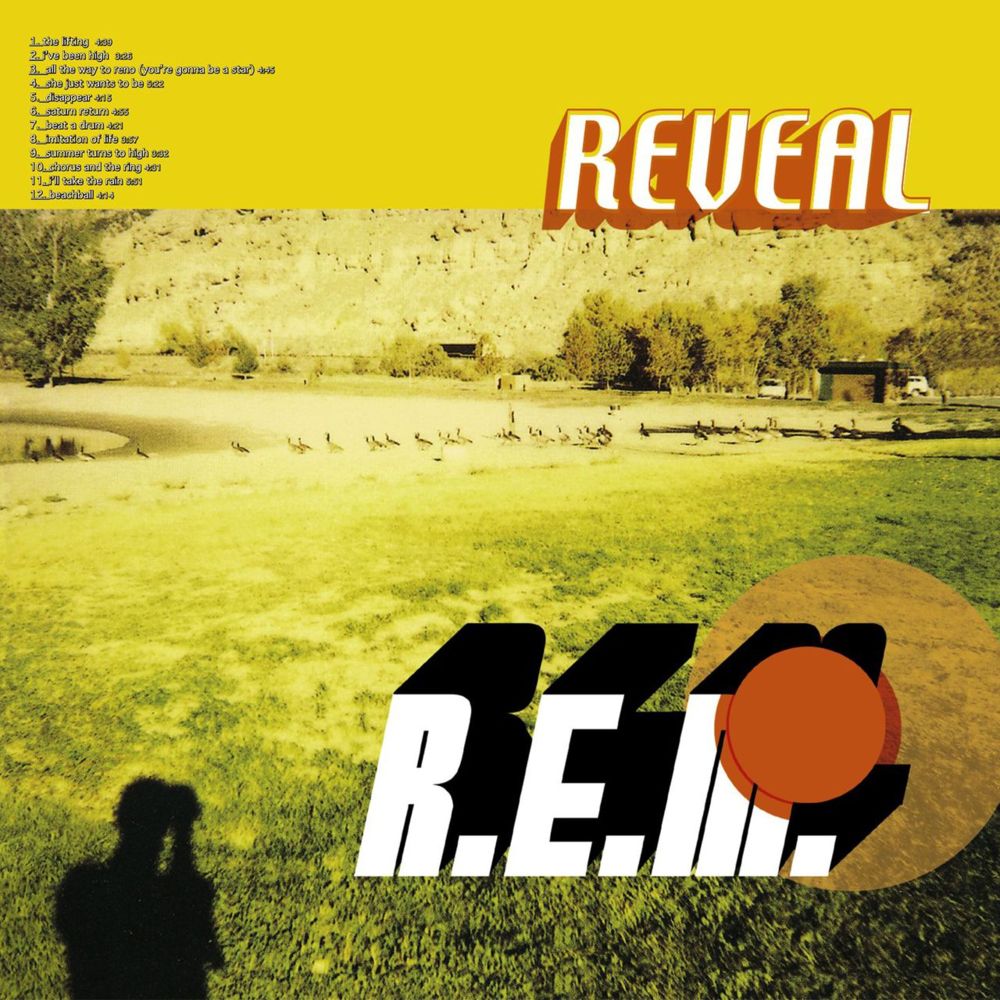
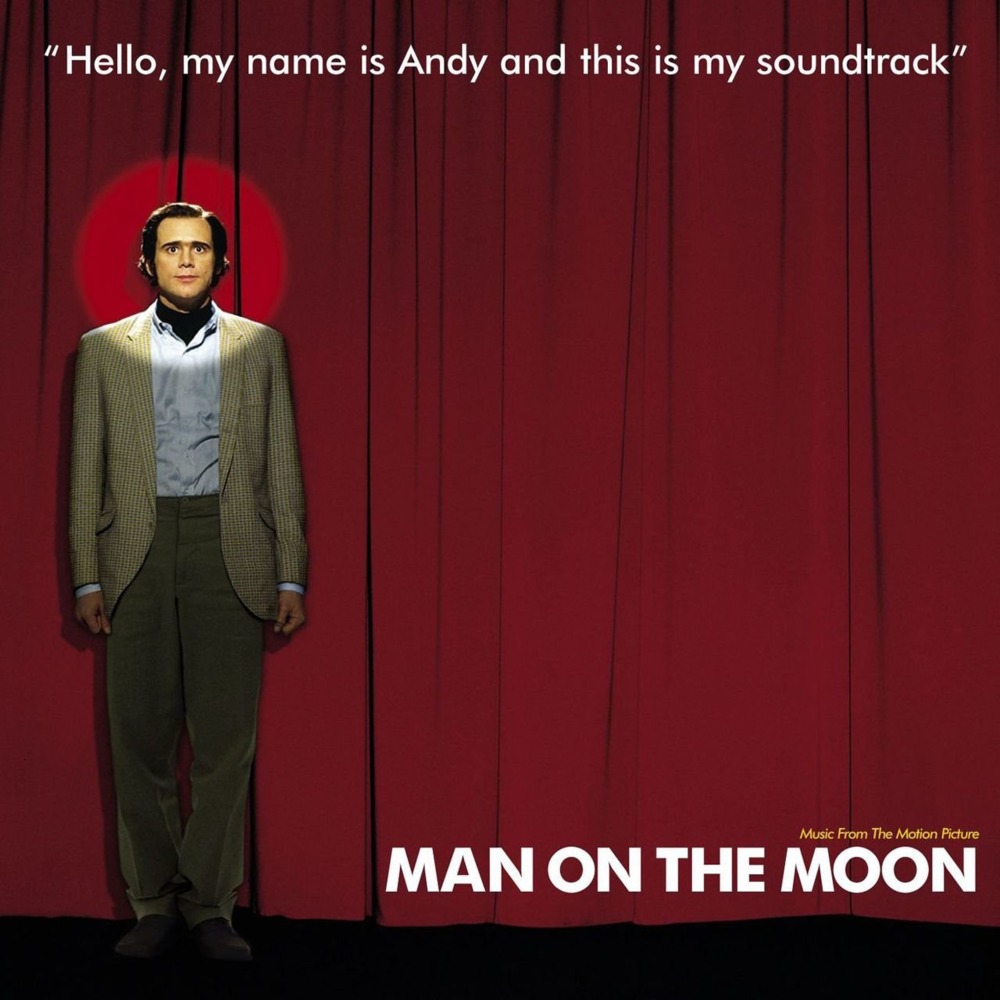
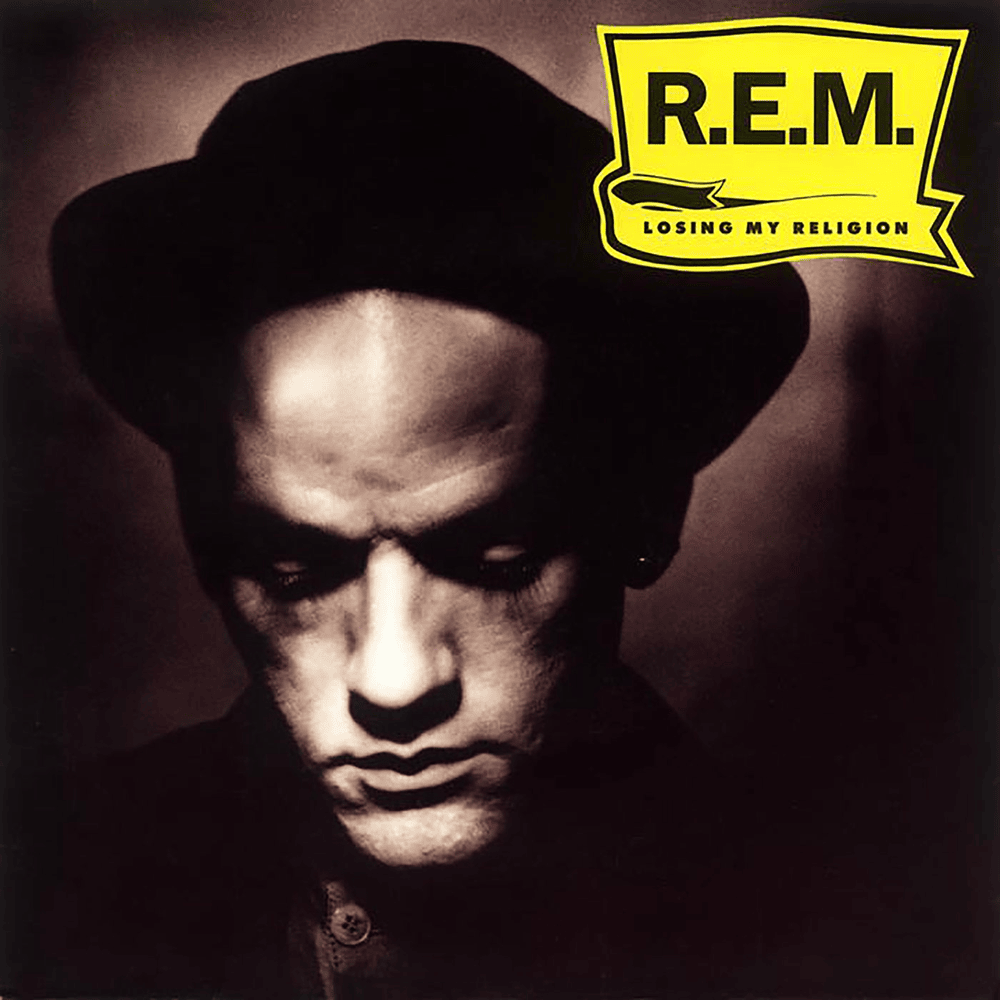
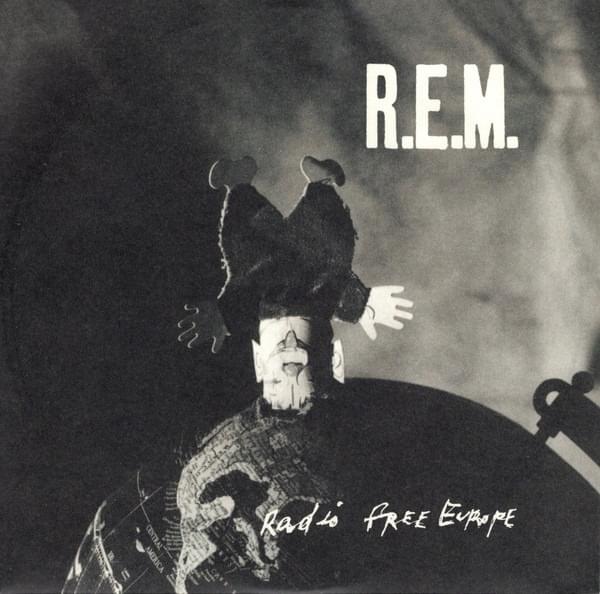
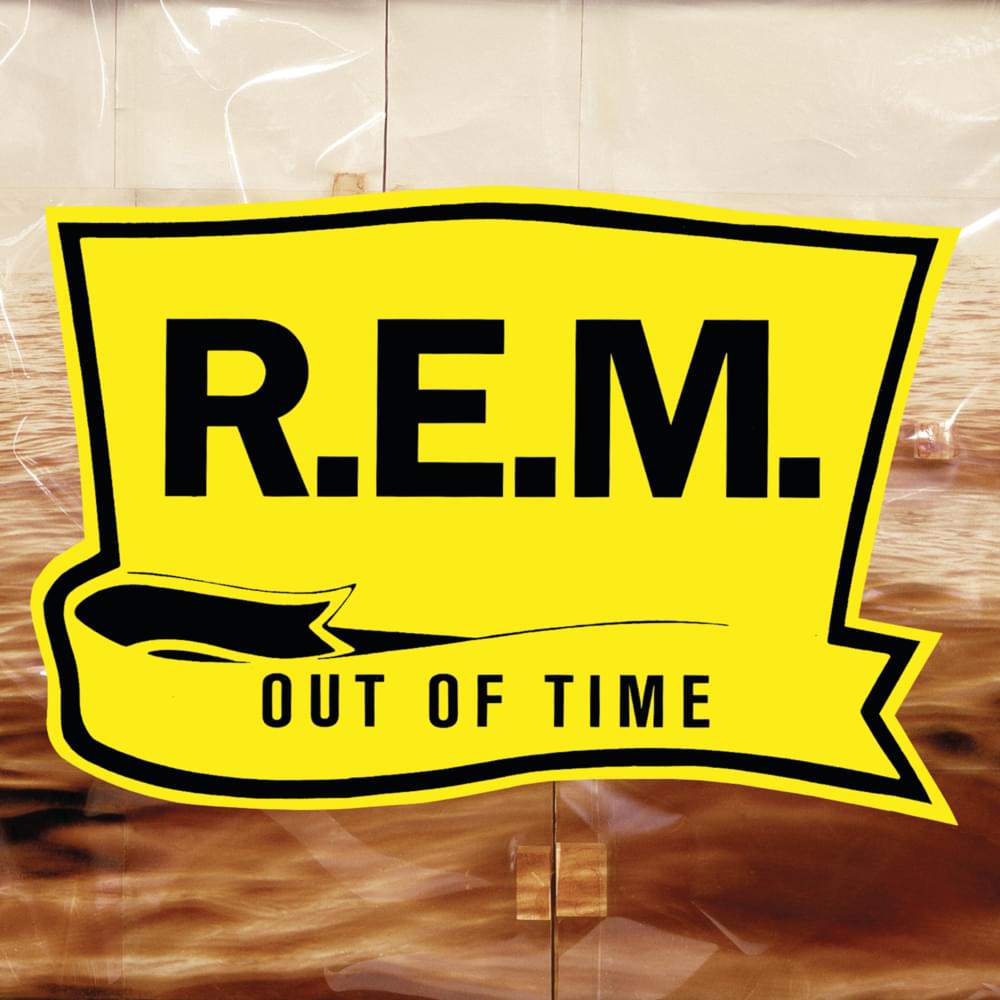
Introduction & Current Status Though R.E.M. officially called it quits in 2011, their impact on alternative rock remains colossal. They're not touring or dropping new tracks but their music still soundtracks our lives. These Athens, Georgia legends proved that smart, jangly, and slightly weird could conquer the mainstream. Streams are up, their influence is visible in countless indie bands, and the cool kids still know all the words. R.E.M.'s legacy isn't just about record sales; it's about paving the way for a generation of artists who dared to be different. They proved you didn't need to be manufactured pop to connect with millions. Their music consistently finds new audiences, proving that authenticity never goes out of style. The band's influence can be heard in bands like Pavement, Arcade Fire, and countless others. The recent surge in 90s nostalgia has only amplified R.E.M.'s relevance. From TikTok trends featuring snippets of their hits to Gen Z discovering their deep cuts, R.E.M. is enjoying a well-deserved renaissance. Their records continue to be remastered and reissued, reminding us why they were, and still are, one of the most important bands of all time. Early Life & Background R.E.M.'s story begins in Athens, Georgia, a college town with a thriving music scene. Michael Stipe, Peter Buck, Mike Mills, and Bill Berry met in the late 1970s bonding over a shared love of punk rock, art-house cinema, and a general disdain for the mainstream. This unlikely quartet would become the core of R.E.M., a band that would redefine alternative music. Michael Stipe's enigmatic lyrics and distinctive vocal style were shaped by his artistic sensibilities and love of poetry. Peter Buck's jangly guitar riffs, influenced by The Byrds and Big Star, provided the band's signature sound. Mike Mills' melodic basslines and harmonies added a crucial layer of pop sensibility while Bill Berry's solid drumming provided the foundation for their unique sound. Athens itself played a significant role in R.E.M.'s development. The town's supportive music community and low cost of living allowed them to experiment and hone their craft. Clubs like the 40 Watt Club became their proving ground, where they developed a loyal following and perfected their distinctive sound. Career Beginnings R.E.M. started gigging around Athens in 1980, quickly building a local buzz. Their early shows were known for their raw energy and Stipe's often indecipherable lyrics. They released their debut single "Radio Free Europe" in 1981 on Hib-Tone a local independent record label. The single became an underground hit, earning them national attention. The band signed to I.R.S. Records in 1982, releasing their debut EP, *Chronic Town*. This EP further solidified their reputation as a band to watch. Their early sound was characterized by Stipe's mumbled vocals, Buck's Byrds-esque guitar riffs, and a general sense of mystery. Their breakthrough came with the release of their debut album, *Murmur*, in 1983. The album was a critical and commercial success, earning them widespread acclaim and establishing them as leaders of the burgeoning alternative rock scene. The album's success was built on word-of-mouth and college radio play, proving that a band could break through without major label support. Major Albums & Discography *Murmur* (1983) established R.E.M. as a force to be reckoned with, earning critical acclaim for its atmospheric sound and Stipe's cryptic lyrics. Their follow-up, Reckoning (1984), further refined their sound, showcasing their evolving songwriting skills. *Fables of the Reconstruction* (1985) saw them experimenting with darker themes and more complex arrangements. Green (1988) marked a turning point for the band, showcasing a more accessible sound and spawning the hit single Orange Crush. Out of Time (1991) catapulted them to superstardom, fueled by the global success of "Losing My Religion". Automatic for the People (1992) is widely considered their masterpiece, exploring themes of mortality and loss with stunning emotional depth. Monster (1994) saw them embracing a more distorted, guitar-driven sound, a deliberate attempt to shake things up. Reveal (2001) saw them return to a more melodic sound, showcasing their enduring songwriting skills. Their final album, Collapse into Now (2011), was a fitting farewell, a collection of songs that revisited their past while looking towards the future. Don't forget the compilation album Dead Letter Office which includes B-sides and rarities. Man on the Moon (Music from the Motion Picture) (1999) is a soundtrack album that showcased their sound in a different setting. Hit Songs & Signature Tracks "Losing My Religion" is arguably R.E.M.'s most iconic song, a mandolin-driven ballad that became a global phenomenon. Its haunting melody and Stipe's enigmatic lyrics resonated with millions, pushing the band to new heights of popularity. The song's music video was a staple on MTV, further cementing its cultural impact. Stand is an upbeat, catchy anthem that became a signature song during their *Green* era. Pop Song 89 is another notable track from *Green*, showcasing their ability to blend catchy melodies with thought-provoking lyrics. Orange Crush tackles political themes with a driving beat. Get Up is a more recent song that still captures the band's energy and creativity. You Are the Everything is a fan favorite known for its gentle melody and heartfelt lyrics. World Leader Pretend is a deeper cut that showcases the band's willingness to explore complex and challenging themes. Other notable tracks include The Wrong Child, Turn You Inside-Out, Hairshirt, and I Remember California. These songs showcase the breadth and depth of R.E.M.'s discography. Collaborations & Features R.E.M. weren't really known for a ton of featured appearances, but they did collaborate with a diverse range of artists throughout their career. Michael Stipe famously worked with Natalie Merchant on "Photograph," a moving tribute to victims of the 1990s Balkan conflicts. The band also teamed up with KRS-One on a remix of "Radio Song," blending alternative rock with hip-hop. Their collaborations weren't always traditional features; they often involved mutual admiration and support within the music community. They championed up-and-coming bands by inviting them to open for them on tour. This fostered a sense of camaraderie and helped to elevate the profile of emerging artists. Their influence extended beyond direct collaborations. Many artists have cited R.E.M. as a major influence, covering their songs and incorporating elements of their sound into their own music. This indirect collaboration speaks to the band's enduring legacy and their impact on the musical landscape. Awards & Achievements R.E.M.'s trophy cabinet is pretty stacked. They snagged three Grammy Awards, including Best Alternative Music Album for *Out of Time* and *Automatic for the People*. MTV Video Music Awards also recognized their creative music videos, especially for "Losing My Religion" which won multiple awards. Beyond the hardware, their achievements are measured in influence. They consistently topped the Billboard charts with multiple albums reaching number one. They sold millions of records worldwide, solidifying their status as one of the most successful alternative rock bands of all time. Their induction into the Rock and Roll Hall of Fame in 2007 was a well-deserved recognition of their contributions to music. They also broke down barriers for alternative music, paving the way for other bands to achieve mainstream success. They proved that you could be both critically acclaimed and commercially successful without compromising your artistic vision. Their impact on the music industry is undeniable. Personal Life While R.E.M. largely kept their personal lives private, they were known for their political activism. Michael Stipe has been a vocal advocate for various social and environmental causes. The band used their platform to raise awareness about issues they cared about, from environmental protection to LGBTQ+ rights. Following the band's breakup, the members have pursued various individual projects. Michael Stipe has focused on photography and film. Peter Buck has remained active in the music scene, collaborating with other artists. Mike Mills has continued to write and perform music. Bill Berry retired from music after suffering a brain aneurysm in 1996. Musical Style & Influence R.E.M.'s sound is a unique blend of jangle-pop, folk-rock, and alternative rock. Peter Buck's distinctive guitar riffs, Michael Stipe's cryptic lyrics, and Mike Mills' melodic basslines created a sound that was both instantly recognizable and endlessly captivating. Their music is characterized by its atmospheric textures, introspective lyrics, and a general sense of mystery. They drew influences from a wide range of artists, including The Byrds, Big Star, Patti Smith, and Velvet Underground. They, in turn, have influenced countless bands, including Nirvana, Pavement, Radiohead, and Arcade Fire. Their impact on the alternative rock scene is immeasurable. R.E.M.'s legacy extends beyond their musical style. They proved that a band could be both commercially successful and artistically credible. They paved the way for a generation of alternative rock bands to achieve mainstream success without compromising their artistic vision. They remain one of the most influential and beloved bands of all time. Recent Work & What's Next Though R.E.M. is no longer actively recording or touring, their music continues to find new audiences. Their back catalog is constantly being reissued and remastered, ensuring that their music remains accessible to fans old and new. Documentaries and books about the band continue to be released, further cementing their legacy. The individual members remain active in various creative pursuits. Michael Stipe continues to pursue his interests in photography and film. Peter Buck remains involved in the music scene, collaborating with other artists. While R.E.M. may be over, their music and influence will continue to resonate for generations to come.

Popular Albums

Popular Songs

Most popular songs by R.E.M.
Track NumberSong
01Losing My Religion
02It’s the End of the World as We Know It (And I Feel Fine)
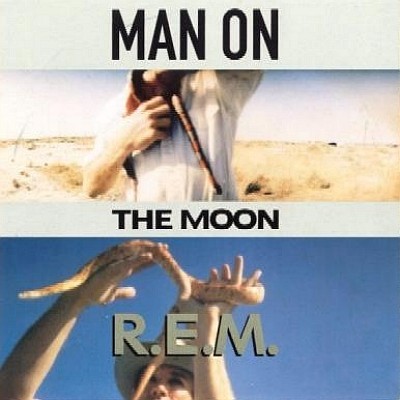
03Man on the Moon
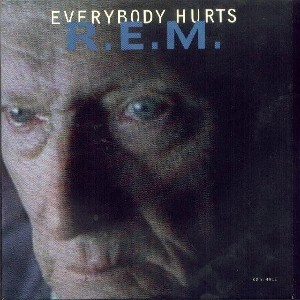
04Everybody Hurts
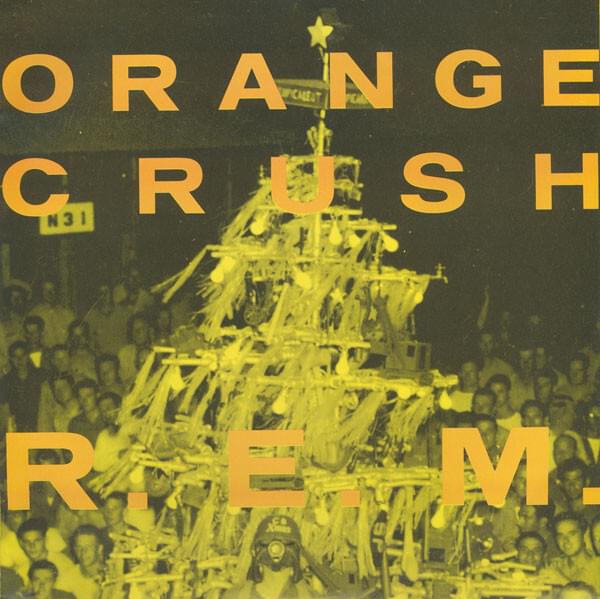
05Orange Crush
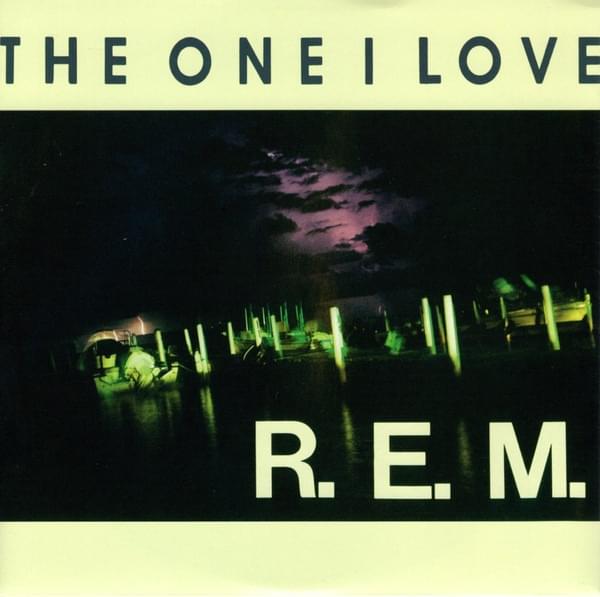
06The One I Love
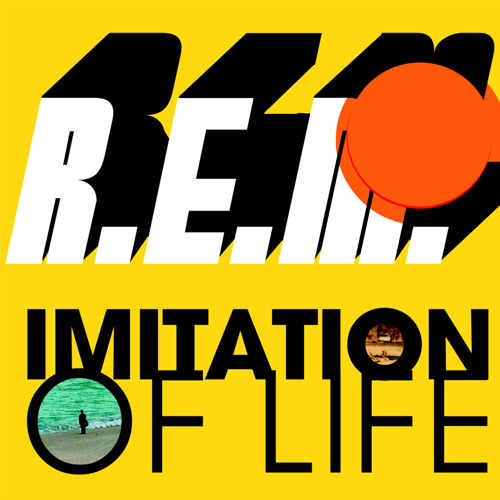
07Imitation of Life
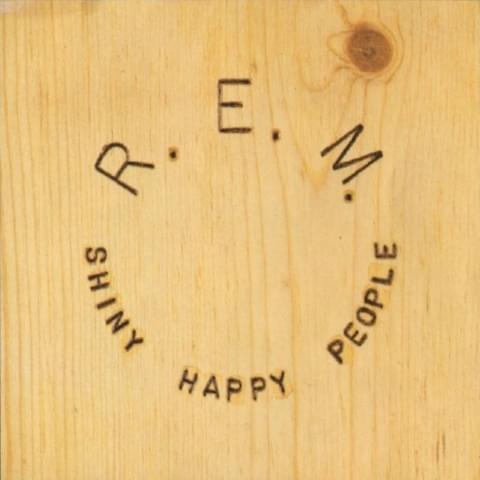
08Shiny Happy People
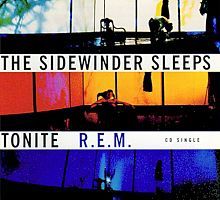
09The Sidewinder Sleeps Tonite
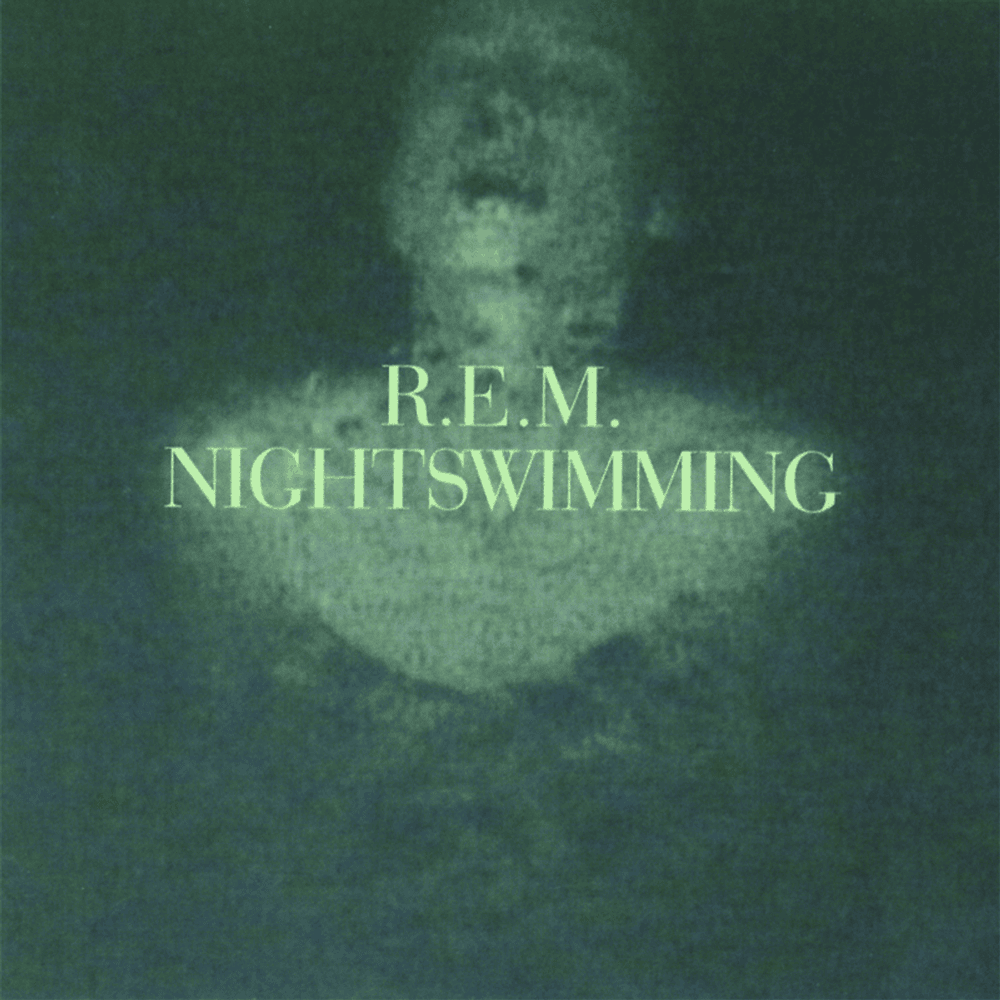
10Nightswimming
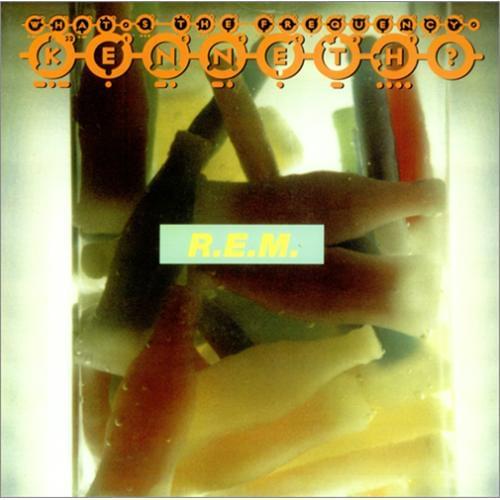
11What’s the Frequency, Kenneth?
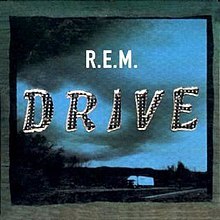
12Drive
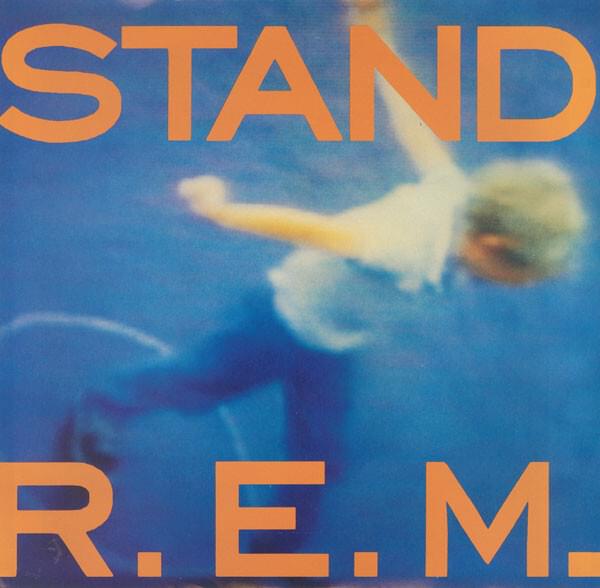
13Stand
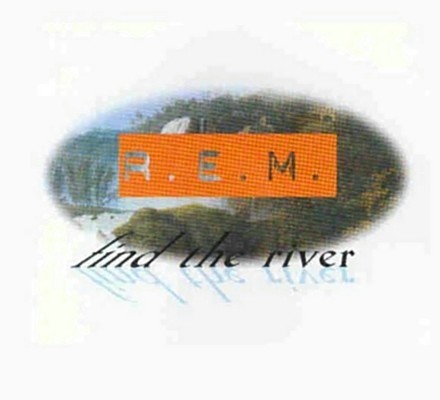
14Find the River
15Radio Free Europe
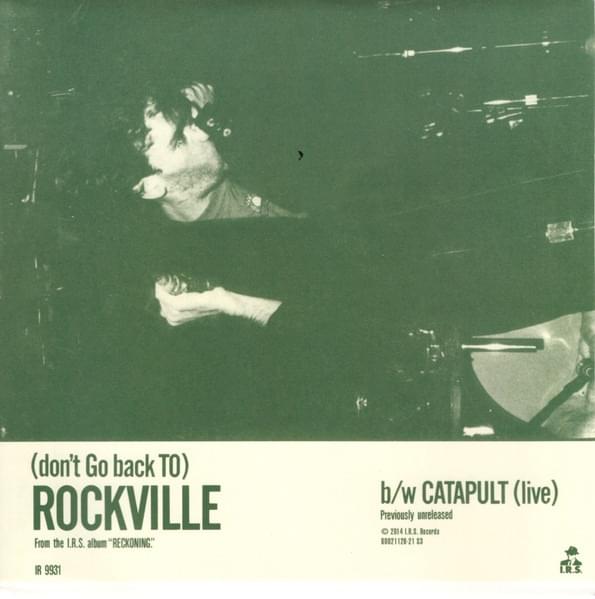
16(Don’t Go Back to) Rockville
17Strange Currencies
18Country Feedback
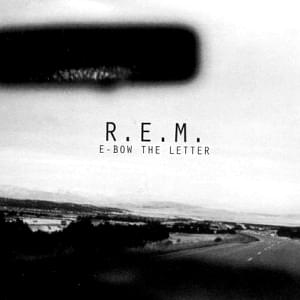
19E-Bow the Letter
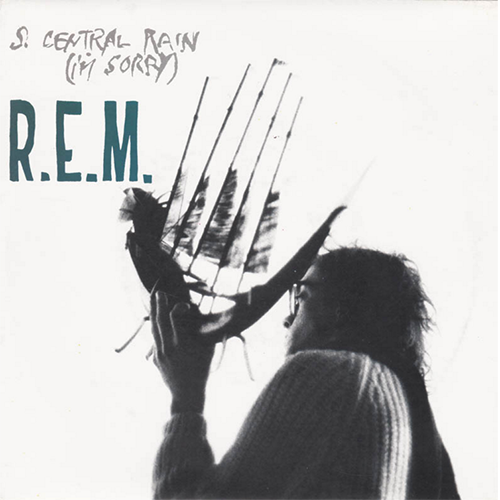
20So. Central Rain (I’m Sorry)

Reviews

Comments

Questions & Answers