Song Meaning
This track feels like a backstage, off-the-cuff intro, more a vibe check than a polished statement. The opening lines throw out names and a raw, almost aggressive "Hijos de puta para todo," immediately setting a defiant, unrefined tone. It's less about lyrical narrative and more about establishing a presence, a moment captured before the real music drops. The "Oh,oh,oh,oh,ohiiiiii" and "Piribai,piribai,puuuum,puuuum" add a layer of playful, almost tribalistic energy, like a chant or a sound effect meant to hype the moment.
The core of the message, if it can be called that, is a self-aware disclaimer. The speaker admits these are "viejas canciones ahi grabadas con viejos ritmos" – old songs recorded with old beats. There's a clear attempt to manage expectations, stating "tampoco os espereis mucho ahi" (don't expect too much). This isn't a grand artistic declaration; it's a casual, almost dismissive acknowledgment of the material.
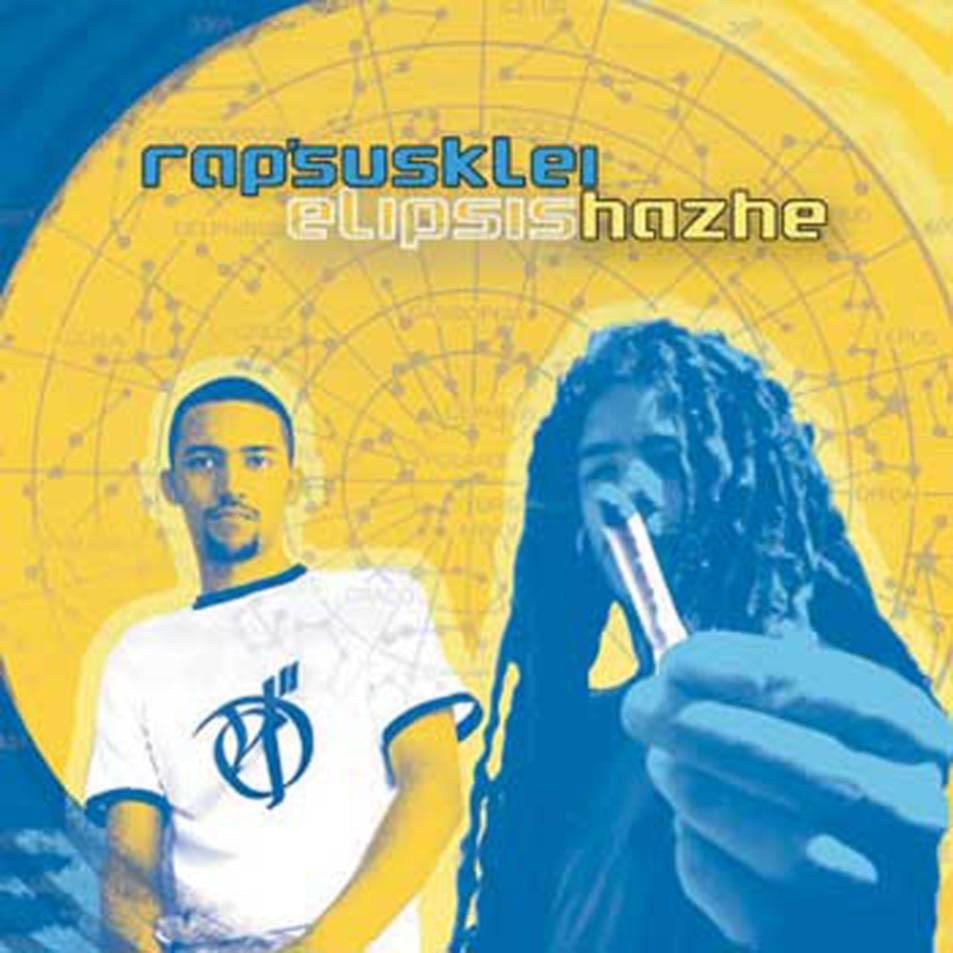
The craft here is in its deliberate looseness. The repeated names, "Rapsusklei y Hazhe," function as a tag, grounding the track in its creators. The shift from aggressive shouts to the spoken-word, almost mumbled explanation highlights a contrast between the projected image and the candid reality. The laughter at the end, "¡ria! jaja," seals the deal, reinforcing the casual, "we're just doing our thing" attitude. It's the sound of artists not taking themselves too seriously, sharing their work with a shrug and a grin.
Ultimately, the effectiveness lies in its authenticity, or at least its performance of it. It bypasses typical song structure to offer a raw glimpse behind the curtain. The lack of pretense, the direct address, and the self-deprecating humor make it feel like an inside joke shared with the listener. It's the sound of confidence rooted not in perfection, but in the simple act of creation and camaraderie.
 View Artist