Song Meaning
The lyrics present a defiant and almost taunting invitation to a former lover to continue deceiving themselves about the narrator's significance. The repeated command, "Miéntete" (Lie to yourself), sets a tone of bitter resignation mixed with a strange kind of confidence. It's a plea for the other person to invent whatever narrative they need, to insist the narrator "no sirvo para ti" (I'm no good for you), and to dress up falsehoods as reality. This isn't about begging for reconciliation; it's about asserting a lasting impact that the other person cannot truly escape, even through self-deception.
The central tension lies in the narrator's certainty that the lover's lies are ultimately futile against the power of genuine feeling and memory. The lyrics suggest that "Tu corazón no va a fingir" (Your heart won't pretend), and that despite the attempts to "engañar" (deceive) and "mentir" (lie), the lover will inevitably "sufrir" (suffer) and "volver" (return). This isn't a hopeful prediction but a grim assurance that the lover's attempts to forget or devalue the narrator will backfire, leading to pain and a forced confrontation with their true feelings.
The most striking craft element is the relentless repetition of "Miéntete," which acts as both a command and a prophecy. It underscores the narrator's awareness of the lover's internal struggle and their conviction that the lover is actively choosing denial. The imagery of the mirror, "el espejo nunca miente" (the mirror never lies), serves as a powerful counterpoint to the lover's self-deception; it's the one truth the lover cannot escape, and it will ultimately lead to tears. This contrast highlights the futility of the lover's chosen path.
These lyrics hit hard because they tap into the painful recognition that sometimes, the most potent form of self-betrayal comes from within. The narrator isn't just observing the lover's actions; they are predicting the inevitable emotional fallout of that denial. The raw, almost accusatory tone, combined with the certainty of future suffering and return, creates a complex emotional landscape of lingering hurt, power, and a dark form of foresight.
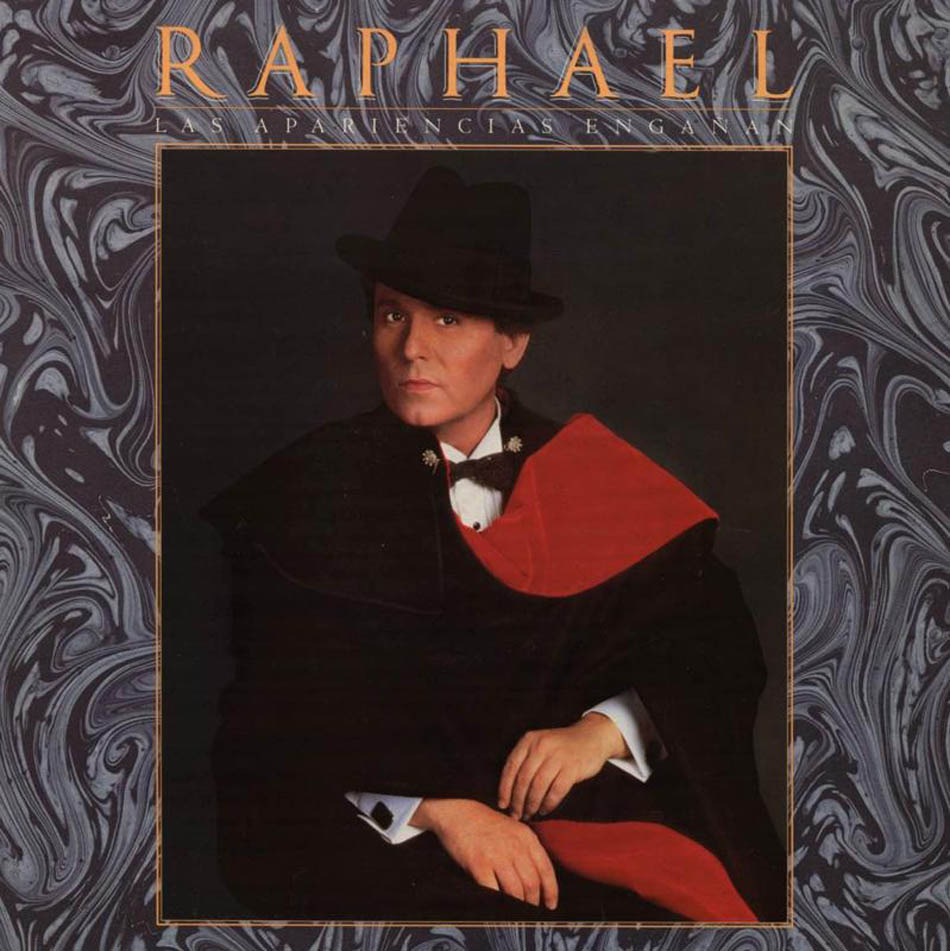
 View Artist