Song Meaning
The narrator is fed up with empty threats from a partner who's clearly checked out. The repeated phrase "No me amenaces" acts as a defiant plea, a demand for clarity over continued psychological games. It's a moment of raw frustration, pushing back against the indecision that's prolonging the inevitable pain of a breakup. The core message is simple: if you're leaving, just leave. Stop the pretense.
The central tension lies in the partner's paradoxical behavior: they are "que te vas" – on the verge of leaving, repeatedly – yet "aún no te has ido." This limbo is agonizing, leaving the narrator "esperando tu amor / O esperando tu olvido." The lyrics suggest a desperate desire for resolution, any resolution, rather than this drawn-out agony. The narrator is caught between clinging to hope and bracing for complete abandonment.
The most striking craft element is the stark contrast between the partner's actions and the narrator's plea. The partner is already mentally gone, "buscarte otra vida," and yet the narrator is still waiting, still holding onto "mi cariño." The repeated "que te vas" emphasizes the partner's imminent departure, while the narrator's "No me amenaces" highlights their refusal to be toyed with any longer. It’s a battle of wills where one party is already disengaged.
This lyrical exchange hits hard because it captures that specific, infuriating stage of a breakup where one person is ready to move on, but the other is still lingering, issuing veiled threats or ultimatums. The narrator’s demand to "agarra tu rumbo y vete" is a powerful assertion of self-respect, a refusal to be held hostage by indecision. The final lines, "si me traes la baraja, niña / Que yo tengo los ases," suggest a surprising resilience, a readiness to play the hand they've been dealt, even if it means winning by forcing the issue.
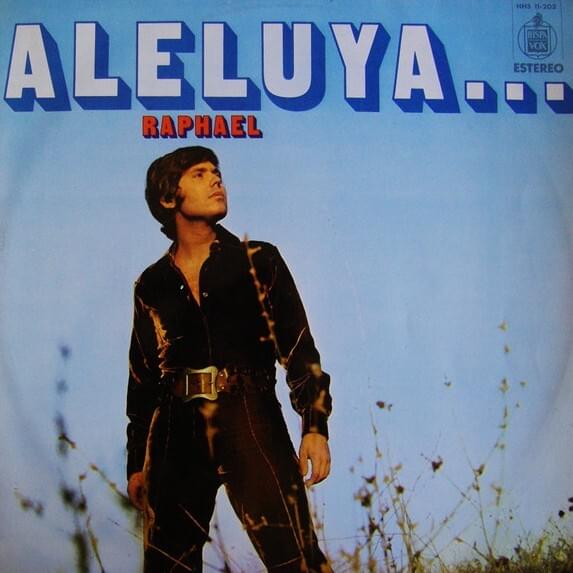
 View Artist