Song Meaning
This is the final song, a definitive breakup anthem where the narrator declares they can no longer continue a one-sided relationship. The immediate tone is one of resolved sadness, a quiet certainty that the love has evaporated. The narrator has reached a point of clarity, understanding that the best course of action is to end things because the love is no longer reciprocated. It's a moment of painful but necessary decision-making.
The central tension lies in the narrator's profound past affection versus their present need for self-preservation. They acknowledge a deep, perhaps unprecedented, love for the other person, stating, "Te juro que nunca a nadie yo he querido tanto como a ti." Yet, this immense feeling is now overshadowed by the realization that it's unreturned and unsustainable. The core conflict is between holding onto a cherished past love and embracing a future where they prioritize their own well-being and freedom.
The most striking lyrical device is the repeated phrase, "Lo voy a dividir." This isn't about dividing possessions; it's about reallocating emotional capital. The immense love once reserved solely for the departing partner will now be spread among "gente muy diferente." This suggests a deliberate shift from intense, focused devotion to a more dispersed, perhaps healthier, emotional landscape. It’s a powerful image of emotional redistribution after a significant loss.
Ultimately, the lyrics resonate because they capture the bittersweet liberation that follows the end of a draining relationship. The narrator is tired of "queriendo a quien no me quiere a mi" – loving someone who doesn't love them back. The decision to divide their affection signifies a reclaiming of emotional energy, moving from a place of unfulfilled longing to one of self-directed growth and newfound freedom, finally becoming "libre como antes."
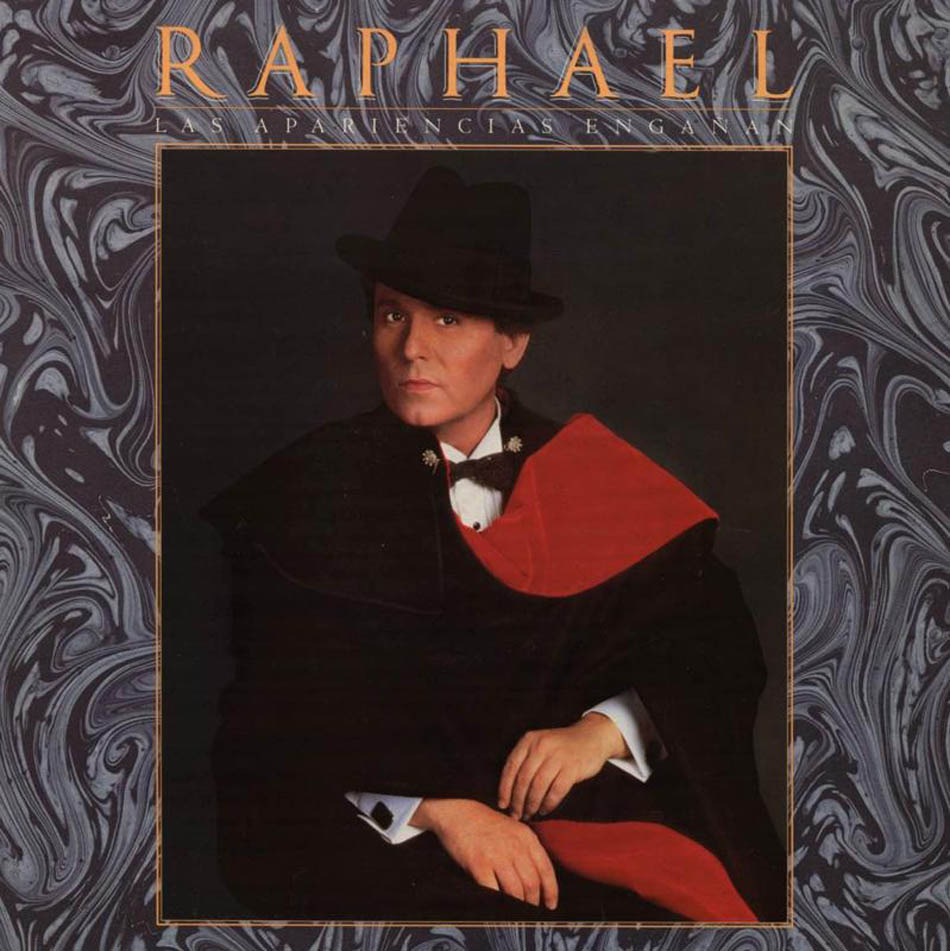
 View Artist