Song Meaning
The lyrics paint a stark picture of internal turmoil, suggesting a personal crisis is unfolding and directly linked to the people around the narrator. There's a palpable sense of alienation, a feeling of having actively rejected affection, leading to a profound and unfamiliar emotional state. This isn't just a fleeting bad day; it's described as a significant, unprecedented shift.
The core of the song's tension lies in this self-imposed isolation and the narrator's aggressive rejection of others, encapsulated by the blunt, repeated declaration, "I hate people." This refrain acts as both an expression of extreme frustration and a defense mechanism, pushing away the very connections that might be causing the distress. The lines "In a bad mood, in a good mood / I never know which one to show" reveal a deep-seated instability and a struggle with outward presentation, perhaps contributing to the negative interactions.
The most striking aspect is the raw, unvarnished repetition of "I hate people." It's not nuanced or metaphorical; it's a direct, almost primal scream of emotional pain. The subsequent line, "You always want what you don't have," offers a glimpse into the narrator's perception of others, suggesting a belief that their desires and perceived flaws are the root cause of the narrator's own suffering. This creates a cyclical dynamic where the narrator's hatred stems from a perceived flaw in everyone else.
This raw, confrontational honesty is what makes the lyrics hit hard. The lack of apology or complex justification for the hatred forces the listener to confront an uncomfortable, pure expression of misanthropy. It's effective because it bypasses subtlety, directly communicating a powerful, albeit negative, emotional state that feels intensely personal and unmediated.
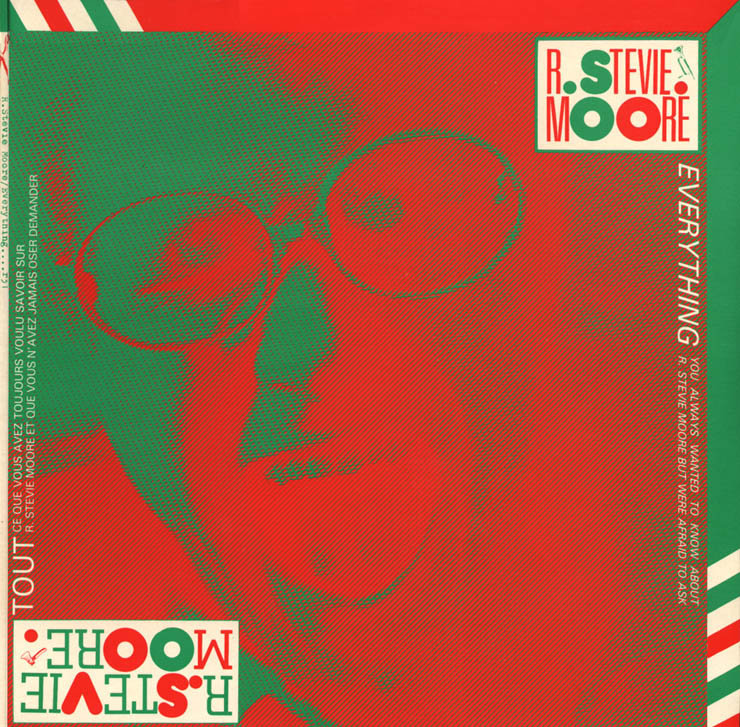
 View Artist