Song Meaning
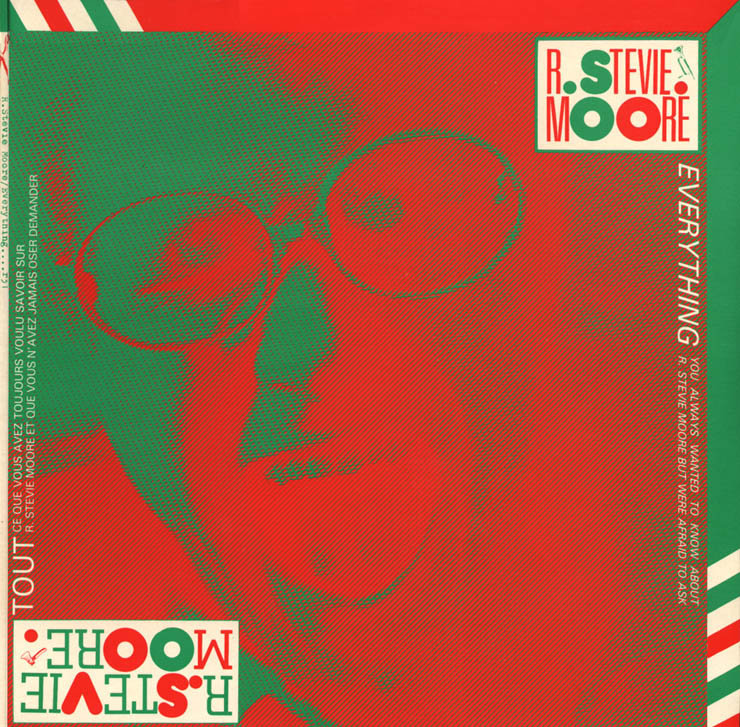
R. Stevie Moore's "Topic Of Same" is less a song and more a sardonic manifesto, a slacker-genius's exasperated sigh directed at a world obsessed with conformity and unfulfilled potential. Moore, a godfather of home recording and lo-fi aesthetics, uses the track to dissect the human tendency to chase aspirations without the grit to realize them. The opening lines, dripping with cynical observation, set the stage: everyone's promising the impossible, yet failing to deliver. It's a world of talkers, not doers, and Moore's weary of it. The core of the song meaning lies in this frustration with the pervasive "topic of same" – the monotonous cycle of unachieved dreams and predictable behavior. It's a call to break free from this loop, to actually *do* something, rather than just endlessly discuss the potential to do it. Moore isn't just complaining; he's offering a twisted kind of encouragement, suggesting that escaping the "topic of same" requires genuine effort and a willingness to confront personal limitations.
The second verse shifts focus slightly, applying this philosophy to rock 'n' roll itself. Moore rejects the idea of music as mere artifice ("rock 'n' roll's not a bag of tricks"). Instead, he frames it as a craft, akin to building ships, demanding dedication and constant improvement. There's a subtle jab at artists who prioritize image over substance, those who "slip" as time goes by. The lyric "It takes a yearn to live and learn / You must pull yourself from the shame / Of growing up still trapped in the topic of same" encapsulates the constant personal evolution required to avoid stagnation and embrace authentic self-expression. The "shame" here isn't about failure, but about the failure to even try, to remain stuck in a comfortable, unfulfilling routine.
The final verse is the most introspective, hinting at Moore's own complicated relationship with success and recognition. He distances himself from the mainstream ("No, I ain't rich 'cause the rest are poor"), suggesting a discomfort with the conventional markers of achievement. The line, "Why can't he be less moore for the regula?" is a self-aware acknowledgement of his outsider status, a playful dig at those who wish he'd conform to more palatable norms. Ultimately, "Topic Of Same" is R. Stevie Moore's defiant anthem of individuality, a reminder to resist the gravitational pull of mediocrity and forge one's own path, regardless of popular opinion. It's a challenge, wrapped in a lo-fi package, from an artist who has always dared to be different.
 View Artist