Song Meaning
The narrator’s life feels like a series of unpaid debts, a constant state of owing and being owed. The opening lines, with a lawyer’s detached reassurance, set a tone of impending financial or legal trouble, a situation the narrator seems to have passively allowed to escalate. This passive acceptance is underscored by the image of the notary dealing out IDs like cards, a scene of bureaucratic detachment that contrasts sharply with the narrator’s internal desire to simply vanish. The feeling is one of being trapped by past decisions, a sentiment amplified by the self-recrimination: "how could I have been so stupid to have let it run?"
The core tension lies between a past that’s irrevocably gone and a future that offers little solace. The celebratory "hip hip" and "hurrah" for past and future feel hollow, especially when juxtaposed with the stark realization that "our idols were dead." This suggests a profound disillusionment, a sense that the guiding figures or ideals of the past are no longer relevant or capable of providing a foundation for a fresh start. The narrator’s own attempts to begin again are undermined by a history of failed promises and a lack of punctuality, symbolized by the perpetually incorrect watch.
The lyrics repeatedly circle back to the idea of unfinished business, or "cuentas pendientes." This phrase, appearing twice, emphasizes the inescapable nature of the narrator's situation. The final lines, stating this song will never be a "precise weapon," are particularly striking. It suggests a failure to even articulate or wield their grievances effectively, leaving them disarmed and unable to strike back or even clearly define their own plight. The repetition of "Un arma tan precisa" transforms from a potential descriptor into an ironic statement of what is lacking—a clear, sharp tool for confronting their reality.
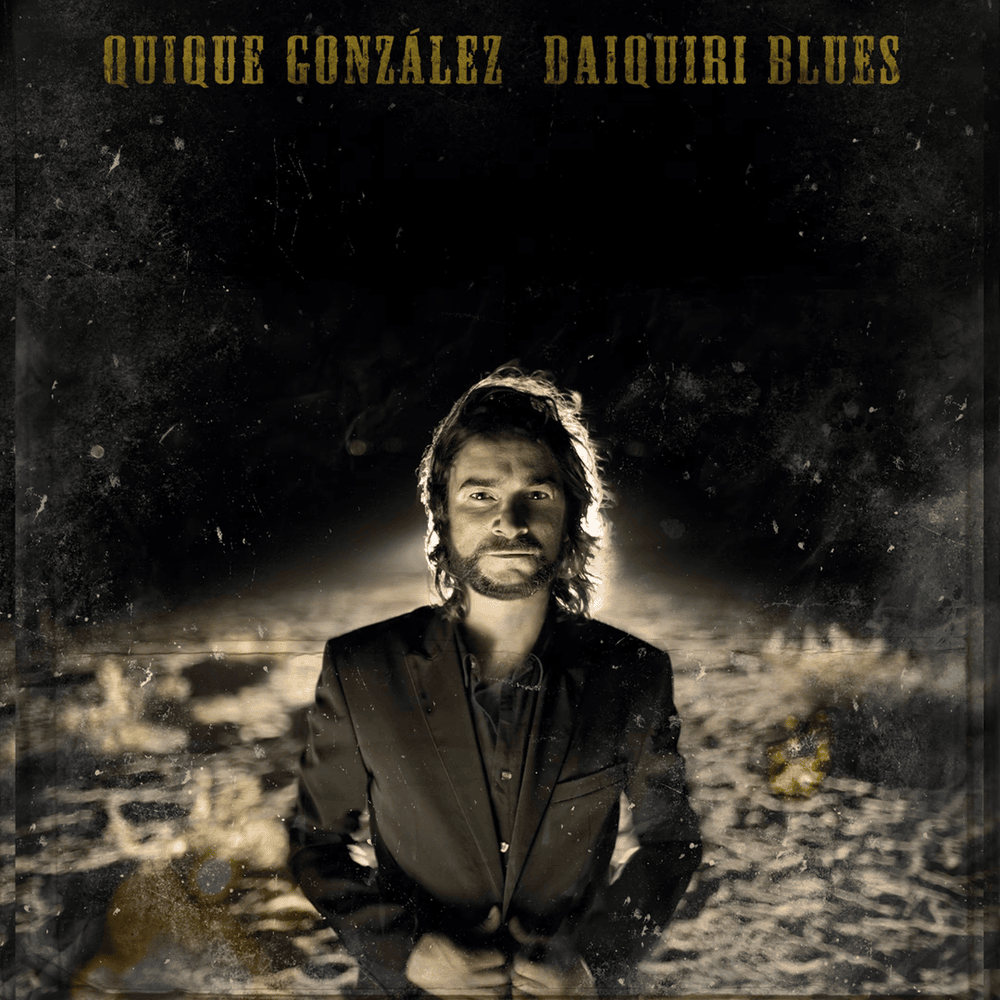
 View Artist