Song Meaning
The lyrics paint a picture of someone grappling with a painful emotional state, masked by outward appearances. The opening lines, "Las Ray-Ban no te dejan ver las lágrimas" (The Ray-Bans don't let you see the tears), immediately establish a theme of hidden sorrow and a deliberate effort to conceal vulnerability. This is coupled with a sense of reckless abandon, "Estoy tocado y voy a liarla otra vez" (I'm hurt and I'm going to mess up again), suggesting a cycle of self-destructive behavior born from emotional pain.
The core tension seems to lie in a struggle for understanding and acceptance, both from another person and perhaps from oneself. The narrator is stuck in a loop, "Voy a dejarme caer para empezar desde abajo / Una y otra vez" (I'm going to let myself fall to start from the bottom / Again and again), indicating a persistent effort to rebuild or find a new foundation. This relentless cycle is driven by the repeated refrain, "Hasta que vuelva a creer / Hasta que todo te encaje" (Until I believe again / Until everything fits for you), highlighting a desire for resolution and for external validation or comprehension.
The recurring phrase "Hasta que todo te encaje" (Until everything fits for you) is particularly striking. It suggests that the narrator's actions and emotional state are deeply tied to another person's perception or understanding. The narrator seems to be waiting for a moment of clarity or alignment from this other person, implying a relationship where communication or emotional connection is currently fractured. The repetition of "Hasta que vuelva a desaparecer" (Until I disappear again) adds another layer, hinting at a pattern of withdrawal when things don't align, further complicating the pursuit of belief and understanding.
Ultimately, the effectiveness of these lyrics stems from their raw portrayal of emotional exhaustion and the desperate hope for things to finally make sense. The narrator is caught between a desire to act out and a deep-seated need for things to "fit" into place, both internally and relationally. The plea for "un amor que no cueste trabajo" (a love that doesn't take work) underscores a profound weariness, making the cyclical struggle feel both intensely personal and universally understood.
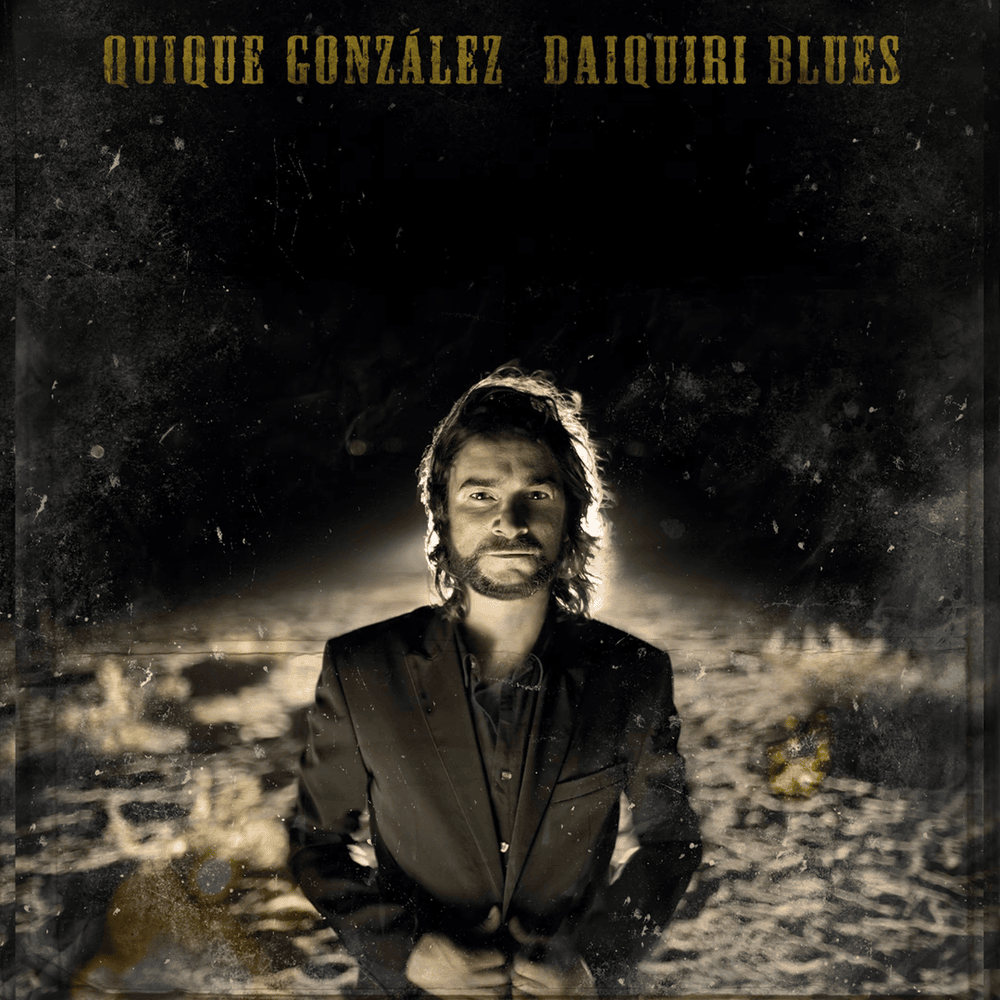
 View Artist