Song Meaning
These lyrics sketch a series of fleeting encounters with a woman, all framed by her "day off," creating a sense of temporary connection. The narrator's observations are sharp, almost cinematic, from a breakfast bar to a dance floor. There's an underlying current of longing, even as the interactions remain somewhat superficial.
The central tension arises from this transient nature. Each meeting is conditional, limited to "su día libre," which underscores the narrator's deeper yearning to "entrar en los sueños de alguien." This desire for profound connection stands in stark contrast to the casual, almost transactional quality of the described moments, suggesting an unfulfilled emotional landscape.
The craft here is particularly effective in its use of striking, often unsettling imagery. The opening line, "Hay una rubia cargando el rifle," immediately injects a surprising edge, hinting at preparedness or even danger. Later, the detail that "no se le corría nunca el rimel" after a fight speaks volumes about the woman's composure or perhaps a deeper emotional detachment. The narrator's declaration, "Vivo en la escena del crimen," powerfully encapsulates a life lived on the edge, perhaps with consequences or unresolved conflicts.
Ultimately, the lyrics resonate by blending these vivid, almost noir-like details with moments of raw vulnerability. The narrator's solitary existence, marked by lines like "Mi madre ya no espera a nadie" and the repeated need to play "en alguna parte," paints a picture of a restless soul. This blend of the dramatic and the deeply personal, all filtered through a lens of fleeting connection, makes these lyrics hit hard, revealing a profound ache beneath a cool, observational surface.
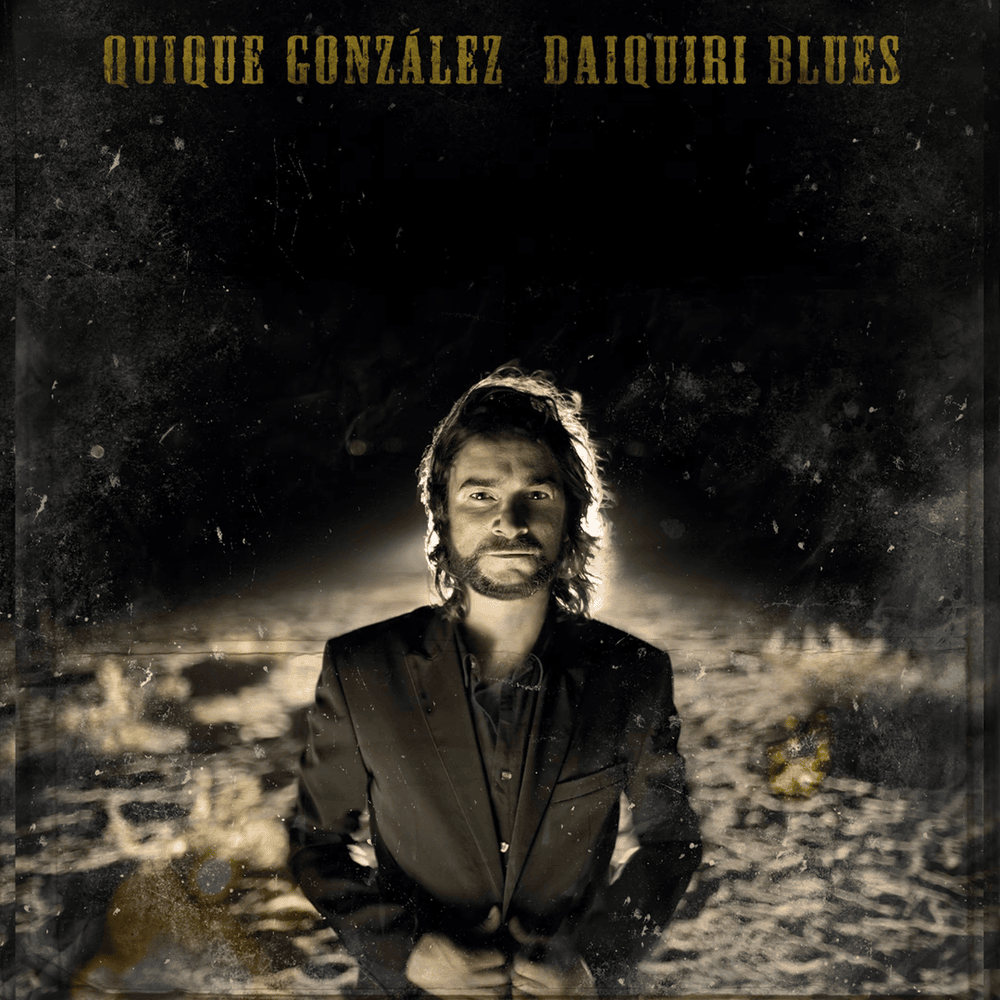
 View Artist